When it comes to maintaining your air conditioning system, one of the most debated topics is whether or not to cover your unit during the off-season. Many homeowners are often confused by the conflicting advice they receive from various sources, leading to a myriad of misconceptions about the necessity and effectiveness of covering their air conditioners. Understanding the need for air conditioner coverage is crucial for ensuring optimal performance and longevity of your system, which is an important aspect of overall home improvement.One common misconception is that covering an air conditioner is a universal requirement for all types of units. In reality, the decision to cover your AC should be based on several factors, including the type of unit you have, your local climate, and the specific conditions in your area. When it comes to maintaining your air conditioning system, one of the most debated topics is whether or not to cover your unit during the off-season. Many homeowners are often confused by the conflicting advice they receive from various sources, leading to a myriad of misconceptions about the necessity and effectiveness of covering their air conditioners. Understanding the need for air conditioner coverage is crucial for ensuring optimal performance and longevity of your system, which is an important aspect of overall home improvement.One common misconception is that covering an air conditioner is a universal requirement for all types of units. In reality, the decision to cover your AC should be based on several factors, including the type of unit you have, your local climate, and the specific conditions in your area.
For instance, while a window unit may benefit from a cover to protect it from dust and debris, a central air conditioning system is typically designed to withstand harsh weather conditions without additional protection.Moreover, many homeowners fail to realize that improper covering can lead to more harm than good. If a cover is not breathable, it can trap moisture inside the unit, creating an environment conducive to mold growth and other issues. Additionally, if the cover is not securely fastened, it can become dislodged during storms or high winds, potentially causing damage to both the cover and the air conditioner itself. Therefore, understanding how to properly protect your AC unit is essential for effective AC protection and maintenance.In this section, we will explore the various factors that influence whether or not you should cover your air conditioner.
By examining these elements closely, you will be better equipped to make an informed decision that aligns with your specific needs and circumstances. Whether you are considering covering your unit for seasonal protection or simply looking to enhance its longevity through proper maintenance practices, this discussion will provide valuable insights into the best practices for air conditioner care.
Manufacturer Recommendations on Air Conditioner Coverage
When it comes to the care and maintenance of your air conditioning unit, understanding the manufacturer recommendations is crucial. Most manufacturers of modern air conditioning systems advise against covering your unit during the off-season. This guidance stems from several key considerations that highlight the design and functionality of contemporary air conditioners.Firstly, modern air conditioning units are engineered to endure a variety of weather conditions.They are built with durable materials that can withstand rain, snow, and even hail. The internal components are designed to resist corrosion and damage from environmental factors, making additional coverage unnecessary in most climates.Moreover, covering your air conditioner can inadvertently lead to more harm than good. If a cover is not breathable, it can trap moisture inside the unit. This trapped moisture creates an ideal environment for mold and mildew growth, which can compromise the efficiency of your system and lead to costly repairs. They are built with durable materials that can withstand rain, snow, and even hail. The internal components are designed to resist corrosion and damage from environmental factors, making additional coverage unnecessary in most climates.Moreover, covering your air conditioner can inadvertently lead to more harm than good. If a cover is not breathable, it can trap moisture inside the unit. This trapped moisture creates an ideal environment for mold and mildew growth, which can compromise the efficiency of your system and lead to costly repairs.
Additionally, if the cover is not securely fastened, it may become dislodged during strong winds, potentially causing physical damage to the unit or surrounding property.Another important aspect to consider is that many manufacturers emphasize proper maintenance over covering. Regular cleaning and servicing by a qualified AC installation company can significantly enhance the longevity and performance of your air conditioning system. This includes removing debris from around the unit, ensuring proper drainage, and checking for any signs of wear or damage.In summary, while some homeowners may feel inclined to cover their air conditioning units for protection, it is essential to heed the advice of manufacturers who design these systems for resilience. Instead of covering your unit, focus on regular maintenance practices recommended by professionals in the HVAC industry to ensure optimal performance year-round.
Situations Where Covering Your Air Conditioner is Beneficial
While many homeowners may wonder whether covering their air conditioner is necessary, there are specific situations where doing so can provide significant benefits.Understanding these scenarios can help you make an informed decision about the best course of action for your unit.
1.Protection Against Heavy Snowfall
If you live in an area that experiences heavy snowfall during the winter months, covering your air conditioner can be a wise choice. Snow accumulation on the unit can lead to:- Physical Damage: The weight of the snow can cause structural damage to the unit, bending or breaking components.
- Ice Formation: When snow melts and refreezes, it can create ice that may obstruct airflow and damage internal parts.
- Debris Accumulation: Snow can trap leaves and other debris, which may lead to mold growth or blockages when the unit is turned back on.
2.Shielding from Hailstorms
In regions prone to hailstorms, covering your air conditioner can protect it from potential damage caused by hailstones. Hail can dent or crack the exterior casing of your unit, leading to costly repairs. A sturdy cover can act as a barrier against these impacts.3.Extended Absences from Home
If you plan to be away from home for an extended period, such as during a vacation or a long business trip, covering your air conditioner can prevent dirt, leaves, and other debris from accumulating inside the unit.This is particularly important if you live in an area with high pollen counts or dust storms.
4.Seasonal Maintenance
During seasonal maintenance or when preparing your air conditioning system for winter, covering the unit can help keep it clean and protected from environmental factors. This is especially true if you have a window or portable AC unit that is removed during the off-season.5.Preventing Pest Infestations
Covers can also deter pests such as rodents and insects from nesting inside your air conditioning unit. These pests can cause significant damage to electrical components and insulation if they find their way into your system.In conclusion, while covering your air conditioner is not universally necessary, there are specific circumstances where it can be beneficial. By considering factors such as local weather conditions and your personal situation, you can make an informed decision that will help protect your investment in HVAC technology.Types of Air Conditioners and Their Coverage Needs
Understanding the different types of air conditioners is crucial for determining whether or not to cover them during the off-season.Each type has unique characteristics and requirements that influence their coverage needs.
Window Units
Window air conditioners are popular for their compact design and ease of installation. However, they are also more exposed to the elements compared to other types. Here are some considerations for covering window units:- Protection from Debris: Covering a window unit can help prevent leaves, dirt, and other debris from entering the unit, which can lead to clogs and reduced efficiency.
- Moisture Concerns: If you choose to cover your window AC, ensure that the cover is breathable. A non-breathable cover can trap moisture inside, leading to mold growth and potential damage.
- Seasonal Use: If you live in an area with harsh winters, it may be beneficial to cover your window unit when not in use.
This can help protect it from snow and ice accumulation.
Portable Air Conditioners
Portable air conditioners offer flexibility and convenience but also require specific care when it comes to coverage:- Storage Considerations: When not in use, it's advisable to store portable AC units in a dry place. If you must leave them outside, covering them can protect against rain and dust.
- Ventilation Needs: Ensure that any cover used allows for ventilation. Like window units, portable ACs can suffer from moisture buildup if covered improperly.
- Transport Protection: If you frequently move your portable unit, consider using a protective cover during transport to prevent scratches and damage.
Central Air Conditioning Systems
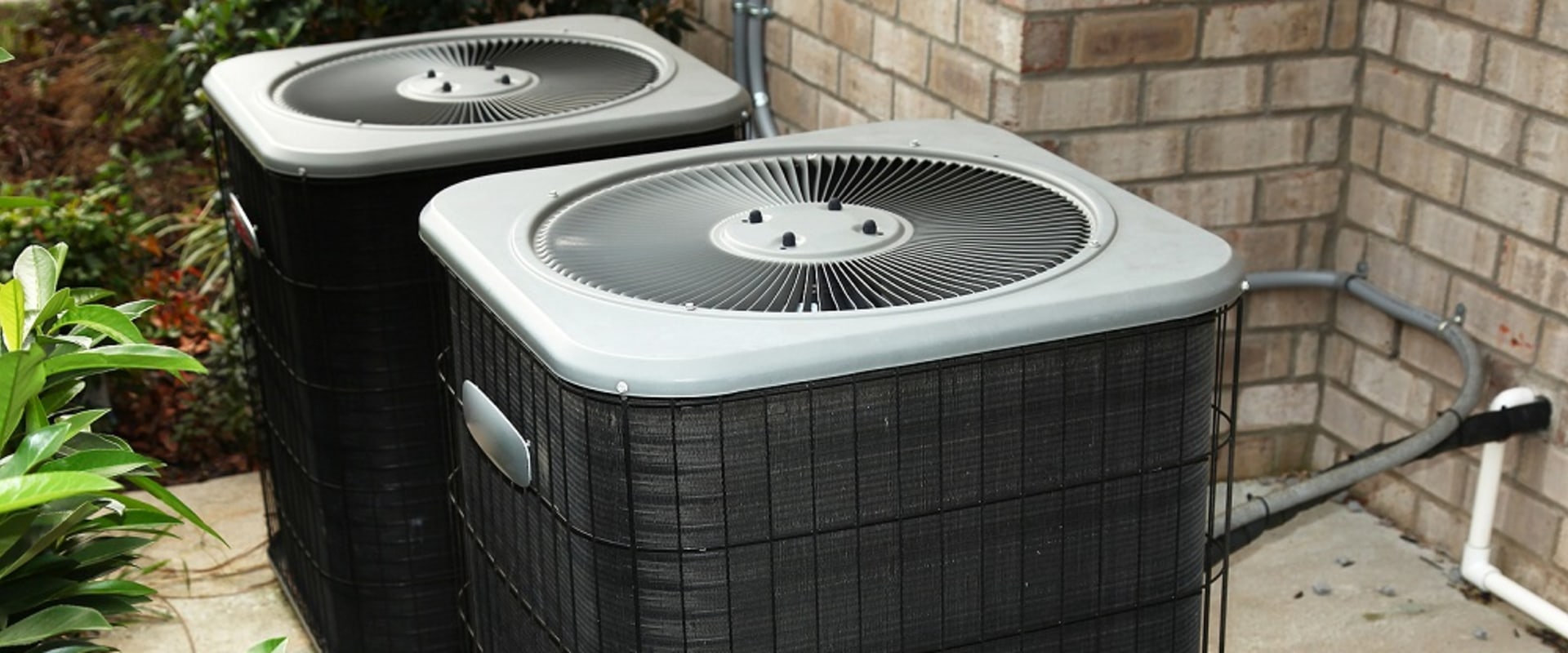
Central air conditioning systems are typically installed outside and are designed to withstand various weather conditions. Here’s what you need to know about their coverage:- No Cover Needed: Most manufacturers do not recommend covering central air conditioning units as they are built to endure outdoor elements.
- Debris Management: Instead of covering, focus on regular maintenance such as cleaning the area around the unit to prevent debris accumulation that could obstruct airflow.
- Winter Preparation: While covering is generally unnecessary, some homeowners choose to use a mesh cover during winter months to keep larger debris out while still allowing airflow.
By understanding these differences, you can make an informed choice that best protects your investment.
Potential Risks of Covering Your Air Conditioner Incorrectly
While covering your air conditioner may seem like a good idea to protect it from the elements, doing so incorrectly can lead to a range of potential risks. Understanding these risks is crucial for homeowners who want to ensure their HVAC systems remain in optimal condition.Moisture Retention and Mold Growth
One of the most significant dangers of improperly covering your air conditioner is moisture retention. This trapped moisture creates an ideal environment for mold and mildew to thrive. Mold growth not only poses health risks to you and your family but can also lead to costly repairs and maintenance for your air conditioning system.Damage from Strong Winds
Another risk associated with covering your air conditioner is the potential for damage during strong winds.If the cover is not securely fastened, it can become dislodged and blow away, potentially causing physical damage to the unit itself or other nearby structures. Additionally, a loose cover can flap against the unit, leading to scratches or dents that may affect its performance.
Debris Accumulation
Improperly fitted covers can also lead to debris accumulation. If a cover does not fit snugly, leaves, twigs, and other debris can enter the unit, obstructing airflow and leading to inefficiencies in operation. This accumulation can strain the system, resulting in higher energy bills and reduced lifespan.Increased Maintenance Costs
Ultimately, the risks associated with incorrect covering practices can lead to increased maintenance costs.Homeowners may find themselves needing more frequent repairs or even premature replacement of their air conditioning units due to damage caused by improper protection methods. To avoid these pitfalls, it’s essential to consider whether covering your air conditioner is necessary and, if so, how to do it correctly.In summary, while there are benefits to covering your air conditioner in certain situations, it’s vital to be aware of the potential risks involved. Ensuring that any cover used is breathable, securely fastened, and properly fitted will help mitigate these risks and protect your investment in your home’s cooling system.
Best Practices for Covering Your Air Conditioner
If you decide to cover your air conditioner, it’s essential to do so correctly to ensure that you protect your unit without causing any harm. Here are some best practices to follow when covering your AC unit:Choose the Right Material
When selecting a cover for your air conditioner, opt for breathable materials.Covers made from breathable fabrics allow moisture to escape, preventing mold and mildew growth inside the unit. Look for covers specifically designed for air conditioners, as they often feature ventilation panels that enhance airflow.
Secure the Cover Properly
It’s crucial to secure the cover tightly to prevent it from being blown away by strong winds or heavy storms. Here are some effective methods for securing your AC cover:- Use Straps or Bungee Cords: Many AC covers come with built-in straps or loops. If yours doesn’t, consider using bungee cords or adjustable straps to keep the cover in place.
- Weight It Down: If you live in an area prone to high winds, consider placing weights on the edges of the cover.
This could be bricks or stones that won’t damage the cover but will help keep it grounded.
- Avoid Taping: While it might be tempting to use tape to secure the cover, this can lead to damage when removing it later. Instead, focus on adjustable fasteners that can be easily undone.
Regular Maintenance Checks
Even with a cover in place, it’s wise to check your air conditioner periodically during the off-season. Remove the cover occasionally to inspect for any signs of moisture buildup or debris accumulation. This practice ensures that your unit remains in good condition and ready for use when warmer weather returns.By following these best practices, you can effectively cover your air conditioner while minimizing potential risks.Remember, proper covering is about balancing protection with ventilation to maintain the integrity of your unit.
Expert Recommendations on Air Conditioner Coverage
When it comes to the question of whether to cover your air conditioner, expert recommendations vary based on several factors. Understanding these insights can help homeowners make informed decisions that protect their investment in HVAC systems.Consider Your Climate
One of the primary factors influencing the decision to cover your air conditioner is the climate in which you live. HVAC professionals often advise:
- Cold Climates: In areas with heavy snowfall or ice storms, covering your unit can prevent snow accumulation and ice damage. However, it’s crucial to use a breathable cover to avoid trapping moisture.
- Mild Climates: If you reside in a region with mild winters, covering your air conditioner may not be necessary.
Most modern units are built to withstand typical weather conditions without additional protection.
- Hot and Humid Climates: In humid areas, covering your unit can lead to moisture buildup, which may promote mold growth. Experts typically recommend leaving the unit uncovered in such climates.
Type of Air Conditioner
The type of air conditioning system you have also plays a significant role in determining whether to cover it:
- Central Air Conditioning Systems: These systems are generally protected by the home’s structure and do not require additional coverings.
- Window Units and Portable ACs: These types of units are more vulnerable to debris and weather elements. Covering them during the off-season is often recommended to keep them clean and functional.
Duration of Non-Use
If you plan to leave your home for an extended period, covering your air conditioner can help prevent dirt and debris from accumulating inside the unit. However, ensure that any cover used is breathable to avoid moisture retention.
Professional Maintenance Advice
Many HVAC experts emphasize the importance of regular maintenance over covering your unit.
Scheduling annual inspections and cleanings can significantly enhance the longevity and efficiency of your air conditioning system, regardless of whether it is covered or not.In conclusion, while there are benefits to covering your air conditioner under certain conditions, it is essential to consider factors such as climate, type of unit, and duration of non-use. Consulting with an AC installation company or HVAC professional can provide tailored advice that suits your specific situation.
Frequently Asked Questions About Air Conditioner Coverage
When it comes to covering your air conditioner, many homeowners have questions. Here are some of the most frequently asked questions regarding AC coverage and their answers to help you make informed decisions.1.Should I cover my air conditioner during the winter?
While it is not a strict requirement, covering your air conditioner during the winter can be beneficial in certain situations. If you live in an area prone to heavy snowfall or ice storms, a cover can protect your unit from accumulating snow and ice, which can cause damage.However, ensure that the cover is breathable to prevent moisture buildup inside the unit.
2.What type of cover should I use?
It is essential to choose a cover specifically designed for air conditioners. Look for breathable materials that allow moisture to escape while keeping debris out. Avoid using plastic tarps or non-breathable materials, as these can trap moisture and lead to mold growth.3.Is it necessary to cover window units?
For window air conditioning units, covering them during the off-season is generally recommended. This helps prevent dust, dirt, and debris from entering the unit, which can affect its performance when you turn it back on.A simple cover or even a piece of plywood can suffice for protection.
4.Can covering my AC cause damage?
If not done correctly, covering your air conditioner can indeed cause more harm than good. A poorly fitted cover can become dislodged during strong winds, potentially damaging the unit or surrounding property. Additionally, if moisture gets trapped inside due to a non-breathable cover, it can lead to rust and mold issues.5.What should I do if I don’t want to cover my AC?
If you choose not to cover your air conditioner, ensure that it is regularly maintained and cleaned. Remove any debris around the unit and consider scheduling professional maintenance with an AC installation company before the start of the cooling season to ensure optimal performance.By addressing these common questions about air conditioner coverage, homeowners can make better decisions regarding their HVAC systems and ensure they remain in good working condition for years to come.Conclusion: Making the Right Choice for Your Air Conditioner
In conclusion, the decision to cover your air conditioner is not a straightforward one and should be based on a variety of factors unique to your situation.As we have explored throughout this article, modern air conditioning units are engineered to endure a range of weather conditions, making them inherently resilient. However, there are specific scenarios where covering your unit may provide additional protection.For homeowners in regions prone to severe weather, such as heavy snowfall or hailstorms, a cover can serve as a safeguard against potential damage. In these cases, it is crucial to select a breathable cover that allows moisture to escape, preventing mold and mildew from developing inside the unit. On the other hand, if you reside in an area with mild winters and minimal debris, covering your air conditioner may not be necessary.Additionally, consider the type of air conditioning system you have.
Central air conditioning systems are typically protected by the structure of your home, while window units and portable air conditioners may benefit from being covered during the off-season. If you choose to cover your unit, ensure that it is securely fastened to avoid any hazards during windy conditions.Ultimately, the choice to cover your air conditioner should be made after careful consideration of your local climate, the specific type of unit you own, and how long you plan to leave it unattended. Consulting with an AC installation company can also provide valuable insights tailored to your individual needs.By weighing these factors thoughtfully, you can make an informed decision that will help protect your investment and ensure that your air conditioning system remains in optimal condition for years to come.