Understanding your air conditioning system is crucial for ensuring its longevity and efficiency. An air conditioner is not just a single unit; it is a complex system composed of various components that work together to provide comfort in your home. From the compressor to the evaporator coil, each part plays a vital role in the cooling process. By familiarizing yourself with these components, you can better appreciate how they function and what maintenance they require to operate optimally.One of the most significant factors influencing the lifespan of your air conditioner is its installation.
This is where an AC installation company comes into play. Proper installation ensures that your unit is correctly sized for your space, which is essential for efficient operation. An oversized or undersized unit can lead to increased wear and tear, ultimately shortening its lifespan. Additionally, a professional installation can help prevent common issues such as refrigerant leaks and airflow problems, which can further compromise the system's efficiency.Moreover, understanding your HVAC system's overall design and how it interacts with other elements in your home can provide insights into how to maintain it effectively.
For instance, knowing how insulation affects your air conditioner's workload can help you make informed decisions about energy efficiency upgrades. Regular maintenance, including filter changes and system checks by a qualified technician, can significantly enhance the performance and lifespan of your air conditioning unit.In summary, taking the time to understand your air conditioning system and working with a reputable AC installation company can lead to better performance and a longer lifespan for your unit. This foundational knowledge sets the stage for exploring practical strategies to prolong the life of your air conditioner while ensuring it operates at peak efficiency.
Factors Affecting Air Conditioner Lifespan
The lifespan of your air conditioner is influenced by a variety of factors, each playing a crucial role in determining how long your unit will effectively cool your home. Understanding these factors can help you make informed decisions about maintenance and usage, ultimately extending the life of your HVAC system.1.Usage Patterns
- Frequency of Use: The more frequently you use your air conditioner, the more wear and tear it experiences.
Units that are used year-round may have a shorter lifespan compared to those used seasonally.
- Temperature Settings: Setting your thermostat to extreme temperatures can strain the system. Keeping your thermostat at a moderate level can reduce stress on the unit.
- Smart Controls: Utilizing programmable thermostats or smart home systems can optimize usage patterns, allowing for energy-efficient operation that reduces strain on the unit.
2.Environmental Conditions
- Climate: The local climate significantly impacts air conditioner longevity. Units in hotter, more humid areas may work harder and thus wear out faster than those in milder climates.
- Air Quality: Poor air quality, including high levels of dust and pollutants, can lead to increased maintenance needs and reduced efficiency. Regular filter changes and cleanings are essential in such environments.
- Installation Location: If your air conditioner is installed in a location exposed to direct sunlight or extreme weather conditions, it may experience additional stress, leading to a shorter lifespan.
3.Unit Quality and Maintenance
- Quality of Components: Higher-quality units often come with better components that can withstand wear and tear longer than cheaper alternatives.
Investing in a reputable brand can pay off in the long run.
- Regular Maintenance: Routine maintenance is vital for extending the life of your air conditioner. This includes regular inspections, cleaning coils, changing filters, and checking refrigerant levels. A professional HVAC technician can help establish a maintenance schedule tailored to your unit's needs.
- Age of the Unit: As with any appliance, older units are more prone to breakdowns. If your air conditioner is nearing the end of its expected lifespan, consider planning for a replacement before it fails completely.
Regular maintenance and mindful usage will not only enhance performance but also save you money on repairs and energy costs over time.
The Importance of Proper Installation
When it comes to ensuring the longevity and efficiency of your air conditioning system, the role of a qualified AC installation company cannot be overstated. Proper installation is the foundation upon which the performance of your air conditioner rests. A well-installed unit not only operates more efficiently but also has a significantly longer lifespan compared to one that has been improperly set up.One of the primary benefits of hiring a professional for your AC installation is their expertise in selecting the right unit for your specific needs. An experienced technician will assess various factors, including the size of your home, insulation quality, and local climate conditions, to recommend an air conditioning system that is appropriately sized.An oversized unit can lead to short cycling, where the system turns on and off frequently, causing unnecessary wear and tear. Conversely, an undersized unit will struggle to cool your space effectively, leading to increased energy consumption and potential breakdowns.Moreover, a professional installation ensures that all components are correctly connected and calibrated. This includes proper refrigerant levels, electrical connections, and ductwork alignment. Any misalignment or incorrect setup can lead to inefficiencies that not only affect cooling performance but also increase energy bills.
For instance, if ductwork is not sealed properly, cool air can escape before it reaches your living spaces, forcing your AC to work harder than necessary.Additionally, a reputable AC installation company will provide warranties on both the equipment and their workmanship. This means that if any issues arise due to improper installation within the warranty period, you can have them addressed without incurring additional costs. This peace of mind is invaluable for homeowners who want to protect their investment.To maximize the benefits of professional installation, consider these HVAC installation tips:
- Research: Look for companies with positive reviews and certifications in HVAC installation.
- Get multiple quotes: Compare prices and services offered by different contractors.
- Ask about experience: Ensure the technicians have extensive experience with the specific type of system you are installing.
- Inquire about maintenance plans: A good company will offer ongoing maintenance services to keep your system running efficiently.
Regular Maintenance Practices
To ensure your air conditioner operates efficiently and lasts as long as possible, implementing a regular maintenance routine is essential.Here are some key air conditioner maintenance tips that homeowners should follow:
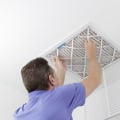
- Change or Clean Filters Regularly: One of the simplest yet most effective maintenance tasks is to check and replace or clean the air filters every 1-3 months. Clogged filters restrict airflow, making your AC work harder and reducing its efficiency.
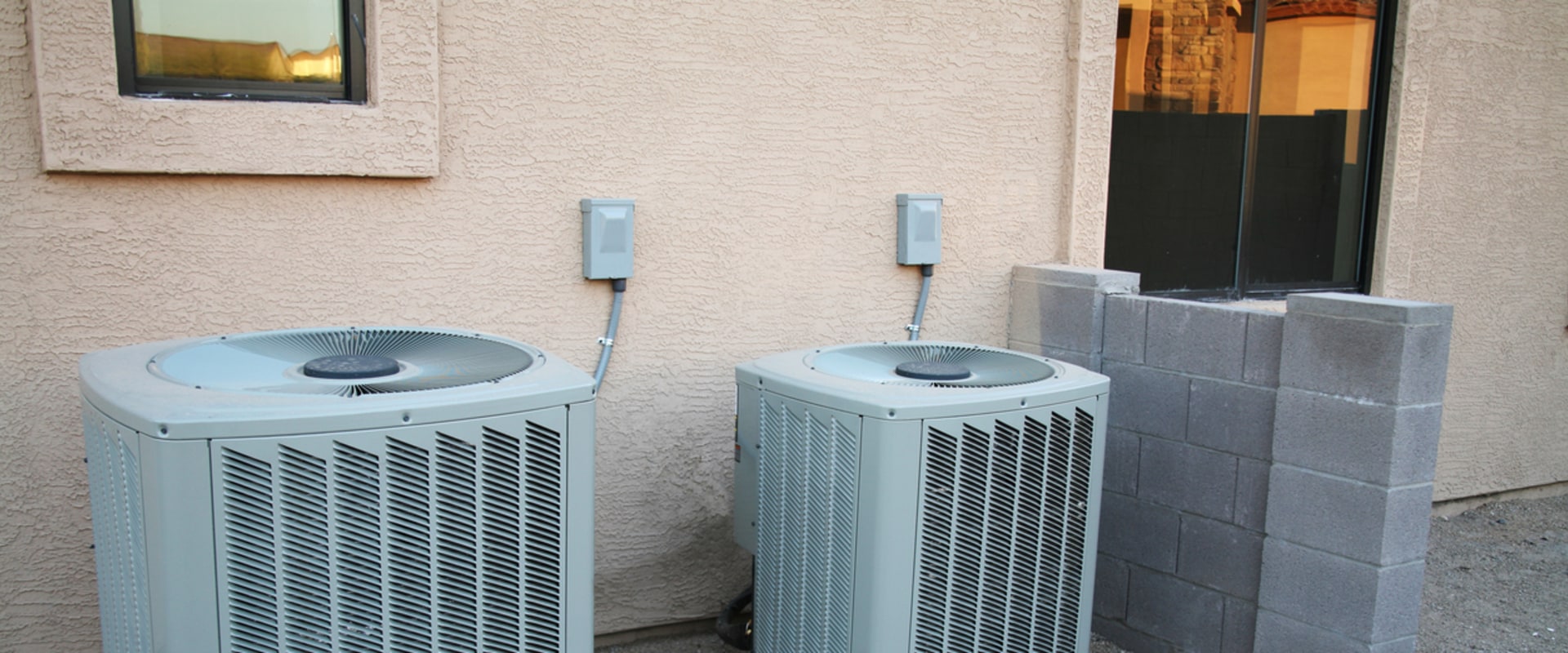
- Inspect the Condenser Unit: The outdoor condenser unit should be kept clear of debris such as leaves, dirt, and grass. Regularly inspect the area around the unit and ensure there is at least two feet of clearance for optimal airflow.
- Check the Refrigerant Levels: Low refrigerant levels can indicate a leak, which can severely impact your AC's performance. If you suspect low refrigerant, contact a professional HVAC service to check and refill it as necessary.
- Clean the Coils: Both the evaporator and condenser coils can accumulate dirt over time.
Cleaning these coils at least once a year can help maintain efficient heat exchange and prolong the lifespan of your unit.
- Examine Ductwork: Leaky ducts can lead to significant energy loss. Inspect your ductwork for any signs of wear or damage, and consider sealing any leaks to improve efficiency.
- Schedule Professional Maintenance: While homeowners can perform many maintenance tasks, it’s crucial to have a professional HVAC technician conduct a thorough inspection at least once a year. This includes checking electrical components, testing system controls, and ensuring everything is functioning correctly.
For example:
- Spring: Change filters, clean condenser unit, schedule professional inspection.
- Summer: Monitor refrigerant levels, check thermostat settings.
- Fall: Clean coils, inspect ductwork.
- Winter: Cover outdoor units if necessary, check for any signs of wear or damage.
Smart Usage Tips for Homeowners
To ensure your air conditioner operates efficiently and lasts longer, adopting smart usage habits is essential. Here are some practical tips for homeowners to optimize their air conditioning systems while maximizing comfort and minimizing energy consumption.- Set the Thermostat Wisely: Adjusting your thermostat by just a few degrees can significantly impact energy usage. Aim for a setting of around 78°F during the day when you are home.
This temperature strikes a balance between comfort and efficiency. When you leave home, consider raising the temperature by 5-10 degrees to reduce strain on your AC.
- Utilize Programmable Thermostats: Investing in a programmable or smart thermostat allows you to set schedules for your air conditioning system. This means your AC can automatically adjust temperatures based on your daily routine, ensuring it runs only when needed.
- Enhance Airflow: Ensure that vents and registers are unobstructed by furniture or curtains. Proper airflow is crucial for efficient cooling.
Additionally, consider using ceiling fans to help circulate cool air throughout your home, allowing you to set your thermostat a few degrees higher without sacrificing comfort.
- Seal and Insulate: Check for drafts around windows and doors, as well as in your attic and basement. Sealing these leaks can prevent cool air from escaping and reduce the workload on your AC unit. Proper insulation also helps maintain consistent indoor temperatures.
- Regular Maintenance: Schedule routine maintenance with a qualified HVAC technician to keep your system running smoothly. Regularly changing or cleaning filters is also vital; dirty filters restrict airflow and force the system to work harder, leading to increased wear and tear.
- Limit Heat Sources: During the hottest parts of the day, minimize the use of heat-generating appliances like ovens and dryers.
Instead, opt for grilling outdoors or using a microwave. This will help keep indoor temperatures lower, reducing the demand on your air conditioning system.
Signs Your Air Conditioner Needs Attention
Recognizing the signs that your air conditioner requires attention is crucial for maintaining its efficiency and prolonging its lifespan. Ignoring these indicators can lead to more significant issues and costly repairs.Here are some common signs that suggest your AC may need troubleshooting:
- Inconsistent Cooling: If you notice that certain rooms in your home are warmer than others, it could indicate a problem with your air conditioning system. This inconsistency may stem from blocked ducts, a failing compressor, or an improperly sized unit.
- Unusual Noises: Air conditioners typically operate quietly. If you hear strange sounds such as grinding, squealing, or banging, it may signal mechanical issues that require immediate attention from an HVAC technician.
- Increased Energy Bills: A sudden spike in your energy bills without a corresponding increase in usage can indicate that your air conditioner is working harder than it should. This inefficiency may be due to dirty filters, refrigerant leaks, or other underlying problems.
- Foul Odors: Unpleasant smells emanating from your AC unit can be a sign of mold growth or burnt wiring.
Both issues can pose health risks and should be addressed promptly by a professional.
- Frequent Cycling: If your air conditioner frequently turns on and off, it may be short-cycling due to an oversized unit or a malfunctioning thermostat. This not only affects comfort but can also lead to increased wear and tear on the system.
- Humidity Issues: An air conditioner should help reduce humidity levels in your home. If you find that your indoor space feels muggy or damp, it could indicate that the AC is not functioning correctly.
Regular maintenance checks can also prevent many of these issues from arising in the first place, ensuring your air conditioning system runs smoothly throughout its lifespan.
The Role of Technology in Air Conditioning Longevity
In today's fast-paced world, technology plays a pivotal role in enhancing the efficiency and longevity of air conditioning systems. With the advent of smart thermostats and energy-efficient technologies, homeowners can now optimize their HVAC systems like never before.Smart Thermostats: A Game Changer
One of the most significant advancements in air conditioning technology is the introduction of smart thermostats. These devices allow users to control their home’s temperature remotely via smartphones or tablets. By learning your schedule and preferences, smart thermostats can adjust the temperature automatically, ensuring that your air conditioner operates only when necessary.This not only enhances comfort but also reduces wear and tear on the unit, ultimately prolonging its lifespan.
Energy-Efficient Technology
Modern air conditioning units are designed with energy efficiency in mind. Many new models come equipped with inverter technology , which allows the compressor to operate at variable speeds. This means that instead of turning on and off frequently, the system can maintain a consistent temperature with less energy consumption. As a result, these units experience less strain, leading to a longer operational life.Regular Updates and Maintenance
Incorporating technology into your HVAC system also means staying updated with the latest software and firmware.Many smart thermostats offer regular updates that improve functionality and efficiency. Additionally, some modern HVAC solutions come with built-in diagnostics that alert homeowners to potential issues before they escalate into costly repairs. Regular maintenance checks by an AC installation company can ensure that these systems are running optimally.
Modern HVAC Solutions
The integration of advanced technologies in HVAC systems has led to the development of modern solutions such as geothermal heating and cooling , which utilizes the earth's stable underground temperature to regulate indoor climates efficiently. These systems not only reduce energy costs but also minimize environmental impact, making them a sustainable choice for homeowners looking to extend the life of their air conditioning units.In conclusion, leveraging technology in your air conditioning system is essential for enhancing its efficiency and longevity.By investing in smart thermostats, energy-efficient models, and modern HVAC solutions, you can ensure that your air conditioner remains reliable for years to come.
Conclusion: Ensuring Longevity for Your Air Conditioner
In summary, ensuring the longevity of your air conditioning unit is a multifaceted endeavor that requires attention to detail and a proactive approach. By understanding the various factors that influence the lifespan of your AC system, you can take actionable steps to enhance its performance and durability.First and foremost, regular maintenance is crucial. Scheduling routine check-ups with a qualified AC installation company can help identify potential issues before they escalate into costly repairs. During these maintenance visits, technicians can clean essential components, check refrigerant levels, and ensure that all parts are functioning optimally.Additionally, it is vital to consider the size and installation of your air conditioning unit.An improperly sized system can lead to inefficiencies and premature wear. Consulting with professionals during the installation process ensures that your unit is appropriately matched to your home’s cooling needs.Moreover, utilizing smart technology can significantly impact how you use your air conditioner. Implementing programmable thermostats or smart home systems allows for better control over temperature settings, reducing unnecessary strain on the unit. This not only enhances comfort but also contributes to energy savings.Furthermore, being mindful of how you operate your air conditioning system plays a significant role in its longevity.
For instance, using ceiling fans in conjunction with your AC can help circulate cool air more effectively, allowing you to set your thermostat at a higher temperature without sacrificing comfort.Lastly, always be aware of the age and condition of your system. Keeping track of when components were last replaced or serviced can help you anticipate future needs and budget accordingly. Remember that while it may be tempting to delay repairs or maintenance, doing so can lead to more significant issues down the line.In conclusion, by prioritizing regular maintenance, ensuring proper installation, utilizing smart technology, and being mindful of usage patterns, you can significantly extend the lifespan of your air conditioning unit. Taking these steps not only enhances comfort in your home but also protects your investment in a reliable cooling system.