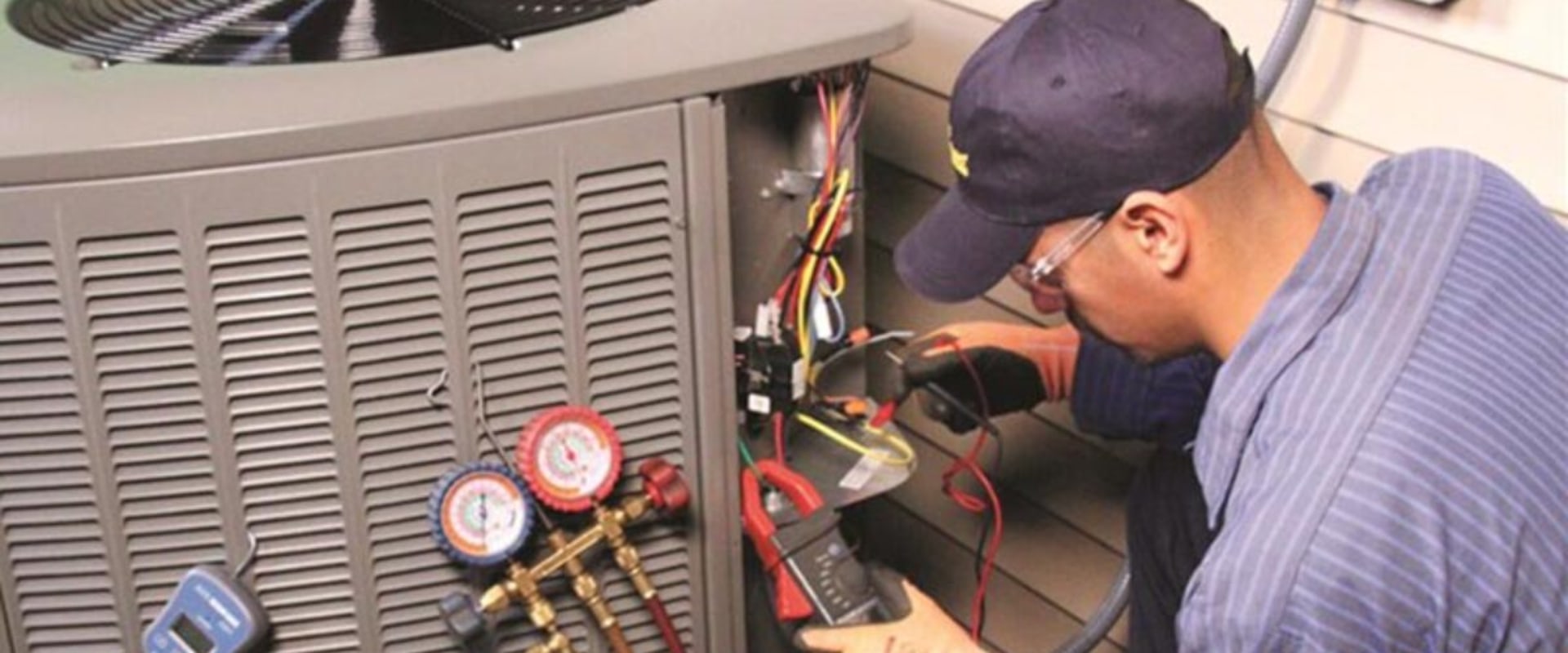
Understanding the lifespan of an air conditioner is crucial for homeowners and business owners alike. An air conditioning unit is not just a luxury; it is an essential component for maintaining comfort in our living and working environments, especially during the sweltering summer months. However, many people are often left wondering: how long does an AC last ? The answer is not straightforward, as it varies significantly based on several factors.On average, modern air conditioners are designed to last between 15 to 20 years, while older models may only provide reliable service for about 10 to 12 years. Yet, this average lifespan can be influenced by a multitude of elements, including the quality of the unit itself, the frequency and quality of maintenance, and even the local climate conditions.
For instance, units that are regularly serviced by a reputable AC installation company tend to have longer lifespans compared to those that are neglected.In addition to maintenance practices, the installation process plays a pivotal role in determining how long your air conditioner will last. A poorly installed unit can lead to inefficiencies and increased wear and tear, ultimately shortening its lifespan. Therefore, it is essential to choose a qualified HVAC technician who understands the intricacies of air conditioning systems. This article will delve deeper into the various factors affecting AC longevity and provide insights on how you can maximize the lifespan of your cooling system.
Average Lifespan of Air Conditioners
Understanding the average lifespan of air conditioners is crucial for homeowners and businesses alike.Different types of air conditioning systems come with varying life expectancies, influenced by factors such as usage, maintenance, and environmental conditions. Here’s a breakdown of the typical lifespans for various air conditioning units:
- Central Air Conditioners: These systems are designed to cool entire homes and typically have a lifespan of 15 to 20 years. With proper maintenance, including regular filter changes and annual professional servicing, some central units can even last beyond 20 years.
- Window Air Conditioners: Ideal for single rooms or small spaces, window units generally last between 10 to 15 years. Their longevity can be significantly affected by how often they are used and how well they are maintained.
Regular cleaning and servicing can help extend their life.
- Portable Air Conditioners: These versatile units offer flexibility but usually have a shorter lifespan of around 5 to 10 years. Their mobility and design can lead to more wear and tear, making regular maintenance even more critical.
- Installation Quality: Proper installation by a qualified AC installation company is essential. Poor installation can lead to inefficiencies and premature failure.
- Usage Patterns: Units that are used heavily during peak seasons may experience more wear and tear compared to those that are used intermittently.
- Environmental Conditions: Units exposed to extreme weather conditions or high levels of dust and debris may have a reduced lifespan.
- Regular Maintenance: Scheduling routine check-ups with an HVAC professional can help identify potential issues before they become major problems, ultimately extending the life of your air conditioning system.
Factors Influencing Air Conditioner Longevity
The lifespan of an air conditioner is influenced by a variety of factors, each playing a crucial role in determining how long your unit will effectively cool your home. Understanding these factors can help you make informed decisions about your AC system and its maintenance.Usage Patterns
One of the primary factors affecting the longevity of an air conditioner is how often and how intensively it is used.For instance, units that are run continuously in extremely hot climates may experience more wear and tear compared to those used intermittently in milder conditions. Additionally, setting the thermostat to extreme temperatures can put extra strain on the system, leading to potential breakdowns.
Environmental Conditions
The environment in which your air conditioner operates also significantly impacts its lifespan. Units installed in areas with high humidity, dust, or pollution may require more frequent maintenance and could have a shorter lifespan due to the increased load on the system. For example:- Humidity: High humidity levels can cause the AC to work harder to dehumidify the air, leading to increased energy consumption and potential overheating.
- Dust and Debris: Accumulation of dust and debris can block airflow and reduce efficiency, causing the unit to work harder than necessary.
- Temperature Extremes: Units exposed to extreme temperatures may face additional stress, affecting their overall performance.
Maintenance Practices
Regular maintenance is perhaps the most critical factor in extending the life of your air conditioning system.Neglecting routine checks can lead to minor issues escalating into major problems. Here are some essential maintenance tips:
- Annual Professional Inspections: Schedule a professional inspection at least once a year to ensure all components are functioning correctly.
- Filter Replacement: Change or clean filters regularly, as dirty filters can restrict airflow and reduce efficiency.
- Coil Cleaning: Keep the evaporator and condenser coils clean to enhance heat exchange efficiency.
- Duct Maintenance: Ensure that ducts are sealed properly and free from obstructions to maintain optimal airflow.
Importance of Regular Maintenance
Regular maintenance of your air conditioner is not just a recommendation; it is a necessity for ensuring its longevity and optimal performance. Just like any other mechanical system, an air conditioning unit requires periodic check-ups and servicing to function efficiently. Neglecting this aspect can lead to a range of issues, from decreased efficiency to complete system failure.Benefits of Regular HVAC Servicing
- Enhanced Efficiency: A well-maintained air conditioner operates more efficiently, which can lead to lower energy bills.
Dust and debris can accumulate in the filters and coils, making the unit work harder to cool your home.
- Extended Lifespan: Regular servicing can significantly extend the lifespan of your AC unit. By addressing minor issues before they escalate into major problems, you can avoid costly repairs or premature replacement.
- Improved Air Quality: An air conditioner that is regularly maintained will circulate cleaner air throughout your home. This is particularly important for individuals with allergies or respiratory issues, as dirty filters can harbor allergens and pollutants.
- Prevention of Breakdowns: Routine maintenance helps identify potential problems early on, reducing the likelihood of unexpected breakdowns during peak usage times, such as summer.
How to Maintain Your Air Conditioner
Homeowners can take several proactive steps to maintain their air conditioning systems:
- Change Filters Regularly: One of the simplest yet most effective maintenance tasks is changing or cleaning the air filters every 1-3 months. This ensures proper airflow and reduces strain on the system.
- Schedule Professional Inspections: It is advisable to have your AC unit inspected by a professional HVAC technician at least once a year.
They can perform comprehensive checks and tune-ups that are beyond the scope of regular homeowner maintenance.
- Clean the Outdoor Unit: Ensure that the outdoor condenser unit is free from debris such as leaves, dirt, and grass clippings. This allows for proper airflow and cooling efficiency.
- Check Thermostat Settings: Make sure your thermostat is functioning correctly and set to an appropriate temperature. Consider upgrading to a programmable thermostat for better energy management.
Signs Your Air Conditioner Needs Replacement
Recognizing the signs that your air conditioner may need replacement is crucial for maintaining a comfortable living environment. Ignoring these indicators can lead to increased energy bills, frequent repairs, and ultimately, a less efficient cooling system.Here are some common signs that suggest it might be time to consider replacing your AC unit:
- Age of the Unit: If your air conditioner is over 15 years old, it may be nearing the end of its lifespan. While some units can last longer with proper maintenance, older models often lack the energy efficiency of newer systems.
- Frequent Repairs: If you find yourself calling an AC installation company for repairs multiple times a year, it may be more cost-effective to invest in a new unit. Frequent breakdowns can indicate that your system is struggling to operate efficiently.
- Increased Energy Bills: A sudden spike in your energy bills can signal that your air conditioner is working harder than it should. If your unit is consuming more energy without a corresponding increase in cooling performance, it may be time for a replacement.
- Inconsistent Temperatures: If certain rooms in your home are warmer or cooler than others, this inconsistency could indicate that your AC unit is failing to distribute air evenly.
This issue can stem from an aging system that can no longer maintain proper airflow.
- Noisy Operation: Unusual sounds such as grinding, squealing, or banging can indicate mechanical issues within the unit. If these noises persist despite repairs, it may be a sign that the system is on its last legs.
- Humidity Issues: An air conditioner should effectively reduce humidity levels in your home. If you notice excessive moisture or humidity indoors, it could mean that your AC unit is not functioning properly and may need replacement.
- Foul Odors: Strange smells coming from your air conditioning system can indicate mold growth or electrical issues. If you detect persistent odors, it's essential to consult with an HVAC professional to assess whether replacement is necessary.
They can provide a thorough evaluation of your current system and help you determine whether repair or replacement is the best course of action. Making an informed decision now can save you money and ensure comfort in the long run.
Choosing the Right AC Installation Company
When it comes to ensuring your air conditioning system is installed correctly and functions efficiently, choosing the right AC installation company is crucial. With so many options available, it can be overwhelming to determine which company will best meet your needs. Here are some key factors to consider when selecting an HVAC professional for your installation.Experience and Expertise
One of the first things to look for in an AC installation company is their experience in the industry.Companies with a long history often have a proven track record of successful installations and satisfied customers. Ask potential contractors how long they have been in business and whether they specialize in residential or commercial installations.
Licensing and Insurance
Always verify that the company you are considering is properly licensed and insured. A reputable HVAC contractor should hold all necessary licenses required by your state or local government. Additionally, insurance protects you from liability in case of accidents or damages during the installation process.Customer Reviews and References
Researching customer reviews can provide valuable insights into the quality of service offered by an AC installation company.Look for testimonials on their website, social media pages, or third-party review sites. You can also ask the company for references from previous clients to gauge their satisfaction levels.
Estimates and Pricing Transparency
A trustworthy HVAC professional will provide a detailed estimate before starting any work. This estimate should outline all costs associated with the installation, including labor, materials, and any additional fees. Be wary of companies that offer significantly lower prices than their competitors, as this may indicate subpar service or hidden costs.Customer Service and Support
Excellent customer service is a hallmark of a reliable AC installation company.Pay attention to how responsive they are during your initial inquiries. A good contractor should be willing to answer your questions, provide guidance on equipment selection, and address any concerns you may have throughout the process.
Warranty and Maintenance Options
Inquire about warranties on both the equipment and the installation work. A reputable company will stand behind their work and offer warranties that protect your investment. Additionally, consider whether they provide ongoing maintenance services to keep your system running efficiently over time.By taking these factors into account, you can confidently choose an AC installation company that meets your needs and ensures a successful installation.Remember, investing time in selecting the right professionals can lead to long-term savings and comfort in your home.
FAQs About Air Conditioner Lifespan
When it comes to the lifespan of an air conditioner, many homeowners have questions and concerns. Here are some frequently asked questions that can help clarify common doubts regarding AC longevity and maintenance.How long can I expect my air conditioner to last?
The average lifespan of a well-maintained air conditioner is typically between 15 to 20 years. However, this can vary based on several factors, including the type of unit, usage patterns, and maintenance practices. Some high-quality models may last even longer, while poorly maintained units may fail much sooner.What factors influence the lifespan of an air conditioner?
- Quality of Installation: A professional AC installation company ensures that your unit is installed correctly, which can significantly impact its longevity.
- Regular Maintenance: Routine servicing, including filter changes and system checks, can extend the life of your air conditioner.
- Usage Patterns: Frequent use during extreme weather conditions can wear down your unit faster than occasional use.
- Environmental Factors: Units exposed to harsh weather conditions or located in dusty areas may require more frequent maintenance.
What are the signs that my air conditioner is nearing the end of its lifespan?
There are several indicators that your air conditioner may be reaching the end of its useful life:- Increased Energy Bills: If you notice a sudden spike in your energy costs, it could be a sign that your AC is working harder than it should.
- Frequent Repairs: If you find yourself calling for repairs more often, it may be time to consider a replacement.
- Inefficient Cooling: If your unit struggles to maintain a comfortable temperature, it might be losing its effectiveness.
Can regular maintenance really extend my AC's lifespan?
Absolutely! Regular maintenance is crucial for keeping your air conditioner running efficiently.Scheduling annual check-ups with a qualified technician from a reputable AC installation company can help identify potential issues before they become major problems. This proactive approach not only enhances performance but also extends the overall lifespan of your unit.If you have more specific questions about your air conditioner's lifespan or need assistance with maintenance, don't hesitate to reach out to a local HVAC professional for expert advice.
Conclusion: Maximizing Your Air Conditioner's Lifespan
In conclusion, understanding the lifespan of your air conditioner is crucial for homeowners looking to maximize their investment. While the average lifespan of an air conditioning unit typically ranges from 10 to 20 years , various factors can influence this duration, including the quality of the unit, installation practices, and ongoing maintenance.To ensure that your air conditioner operates efficiently for as long as possible, it is essential to prioritize regular maintenance. This includes:- Annual Professional Inspections: Scheduling yearly check-ups with a qualified AC installation company can help identify potential issues before they escalate into costly repairs.
- Regular Filter Changes: Replacing or cleaning filters every 1-3 months can significantly improve airflow and efficiency, reducing strain on the system.
- Cleaning Coils and Fins: Keeping the evaporator and condenser coils clean ensures optimal heat exchange, which is vital for efficient operation.
- Checking Refrigerant Levels: Ensuring that refrigerant levels are adequate helps maintain cooling efficiency and prevents compressor damage.
Experienced technicians not only ensure proper setup but also provide valuable insights into how to care for your specific model. They can recommend best practices tailored to your unit's needs and local climate conditions.Finally, being proactive about your air conditioning system can lead to significant long-term savings. By investing in regular maintenance and addressing issues promptly, you can extend the life of your air conditioner, enhance its performance, and ultimately enjoy a comfortable indoor environment for years to come.