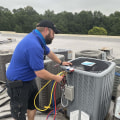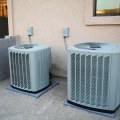
Maintaining your air conditioning unit is not just a matter of convenience; it is essential for ensuring its longevity and efficiency. Many homeowners underestimate the importance of regular maintenance, often waiting until a problem arises before taking action. However, proactive care can significantly enhance the performance of your AC system, leading to a more comfortable living environment and lower energy bills. By understanding the critical role that maintenance plays, you can make informed decisions that will benefit both your wallet and your home.Regular maintenance offers numerous benefits that extend beyond mere functionality.
For instance, a well-maintained AC unit operates more efficiently, which translates to reduced energy consumption. This efficiency not only helps in lowering your monthly utility bills but also minimizes the environmental impact of your cooling system. Furthermore, routine check-ups can identify potential issues before they escalate into costly repairs or complete system failures. By investing in regular maintenance, you are essentially safeguarding your investment in your home’s comfort.Moreover, the lifespan of your AC unit can be significantly extended through consistent care. For instance, a well-maintained AC unit operates more efficiently, which translates to reduced energy consumption. This efficiency not only helps in lowering your monthly utility bills but also minimizes the environmental impact of your cooling system. Furthermore, routine check-ups can identify potential issues before they escalate into costly repairs or complete system failures. By investing in regular maintenance, you are essentially safeguarding your investment in your home’s comfort.Moreover, the lifespan of your AC unit can be significantly extended through consistent care.
Most air conditioning systems are designed to last around 15 to 20 years, but this lifespan can be drastically shortened without proper upkeep. Simple tasks such as changing air filters, cleaning coils, and scheduling professional inspections can make a world of difference. When you prioritize maintenance, you not only enhance the reliability of your system but also ensure that it continues to operate at peak performance for years to come.
Choosing the Right AC Installation Company
When it comes to ensuring the longevity and efficiency of your air conditioning system, selecting the right AC installation company is paramount. A reputable company not only guarantees a quality installation but also sets the stage for effective maintenance and service in the future.Here are some essential factors to consider when choosing an AC installation service:
- Experience and Expertise: Look for a company with a proven track record in the HVAC industry. An experienced AC installation company will have encountered various challenges and will be better equipped to handle your specific needs. Check how long they have been in business and their specialization in different types of AC systems.
- Customer Reviews and Testimonials: Research online reviews and testimonials from previous customers. Websites like Yelp, Google Reviews, and the Better Business Bureau can provide insights into the company's reputation.
Pay attention to feedback regarding their installation process, customer service, and post-installation support.
- Certifications and Licenses: Ensure that the company holds all necessary licenses and certifications required by your state or local authorities. Certifications from recognized organizations, such as NATE (North American Technician Excellence) or ACCA (Air Conditioning Contractors of America), indicate that the technicians are trained and knowledgeable about current industry standards.
- Insurance Coverage: A reliable AC installation company should carry liability insurance and workers' compensation. This protects you from any potential liabilities in case of accidents or damages during the installation process.
- Warranty Options: Inquire about warranties on both the equipment and the installation work. A good warranty reflects the company's confidence in their services and provides you with peace of mind regarding future repairs or replacements.
- Transparent Pricing: Request detailed estimates from multiple companies.
A trustworthy contractor will provide a clear breakdown of costs, including labor, materials, and any additional fees. Be wary of companies that offer significantly lower prices than competitors, as this may indicate subpar service or hidden costs.
Regular Maintenance Practices for Your AC Unit
To ensure your AC unit operates efficiently and lasts as long as possible, implementing a routine maintenance schedule is crucial. Regular maintenance not only enhances performance but also helps in identifying potential issues before they escalate into costly repairs.Here are some essential practices every homeowner should adopt:
- Change Air Filters Regularly: One of the simplest yet most effective maintenance tasks is changing the air filters. Clogged or dirty filters restrict airflow, making your AC work harder and less efficiently. Aim to check and replace your filters every 1-3 months, depending on usage and the type of filter.
- Clean the Condenser Coils: The condenser coils are responsible for releasing heat from your home. Over time, these coils can accumulate dirt and debris, which can hinder their ability to dissipate heat.
Cleaning the coils at least once a year can significantly improve efficiency. Use a soft brush or a vacuum with a brush attachment to gently remove any buildup.
- Inspect Refrigerant Levels: Proper refrigerant levels are essential for optimal cooling performance. Low refrigerant can indicate leaks or other issues that need immediate attention. Schedule an annual check-up with an AC installation company to ensure your refrigerant levels are adequate and to address any leaks promptly.
- Clear Drain Lines: The condensate drain line can become clogged with algae or dirt, leading to water damage and increased humidity levels in your home.
Regularly inspect and clear the drain line to prevent blockages. You can use a wet/dry vacuum to remove any obstructions.
- Check Thermostat Settings: Ensure that your thermostat is functioning correctly and set to an appropriate temperature. Consider upgrading to a programmable thermostat for better energy management and convenience.
- Schedule Professional Maintenance: While homeowners can perform many maintenance tasks, it’s wise to schedule professional inspections at least once a year. An HVAC technician can conduct a thorough check-up, including testing electrical components, lubricating moving parts, and ensuring everything is in good working order.
Remember that proactive care today can save you from unexpected breakdowns and costly repairs in the future.
Signs Your AC Unit Needs Attention
Recognizing the signs that your air conditioning unit requires attention is crucial for maintaining its efficiency and longevity. Ignoring these indicators can lead to more severe issues and costly repairs. Here are some common signs that suggest your AC unit may need servicing:- Unusual Noises: If your AC unit starts making strange sounds such as grinding, squealing, or banging, it could indicate a mechanical issue. These noises often suggest that components are wearing out or that there is a loose part that needs to be addressed.
- Inconsistent Temperatures: If you notice that certain rooms in your home are warmer or cooler than others, it may be a sign of airflow issues or a failing thermostat.
This inconsistency can lead to discomfort and increased energy bills.
- Increased Energy Bills: A sudden spike in your energy costs can indicate that your AC unit is working harder than it should. This inefficiency may stem from dirty filters, low refrigerant levels, or other underlying problems.
- Foul Odors: Unpleasant smells coming from your AC can signal mold growth or burnt wiring. If you detect any strange odors, it’s essential to turn off the unit and contact an HVAC technician immediately.
- Frequent Cycling: If your air conditioner frequently turns on and off, this short cycling can lead to wear and tear on the system. It may be caused by an oversized unit, a malfunctioning thermostat, or other issues that require professional evaluation.
- Water Leaks: Any signs of water pooling around your AC unit could indicate a clogged drain line or a refrigerant leak.
Both situations require prompt attention to prevent water damage and further complications.
Energy Efficiency and Its Impact on Longevity
When it comes to air conditioning units, energy efficiency plays a crucial role not only in reducing your monthly utility bills but also in extending the lifespan of the unit itself. By investing in an energy-efficient model, homeowners can enjoy a multitude of benefits that contribute to both financial savings and environmental sustainability.Understanding Energy Efficiency
Energy efficiency refers to the ability of an AC unit to provide the same level of cooling while using less energy. This is typically measured by the Seasonal Energy Efficiency Ratio (SEER) rating.
The higher the SEER rating, the more efficient the unit is. For instance, a unit with a SEER rating of 16 uses significantly less energy than one with a rating of 10, leading to lower operational costs.
Benefits of Choosing Energy-Efficient AC Units
- Lower Energy Bills: One of the most immediate benefits of an energy-efficient AC unit is reduced energy consumption, which translates into lower monthly utility bills. Over time, these savings can add up significantly.
- Environmental Impact: By using less energy, you are also reducing your carbon footprint. Energy-efficient units contribute to less strain on power plants and lower greenhouse gas emissions.
- Improved Comfort: Energy-efficient models often come equipped with advanced technology that allows for better temperature control and humidity management, enhancing overall comfort in your home.
- Longer Lifespan: An energy-efficient AC unit typically experiences less wear and tear due to its optimized operation.
This can lead to fewer breakdowns and repairs, ultimately extending the lifespan of the unit.
How Energy Efficiency Affects Lifespan
The relationship between energy efficiency and lifespan is significant. When an AC unit operates efficiently, it does not have to work as hard to maintain desired temperatures. This reduced workload minimizes stress on components such as the compressor and fan motors, which are often the first parts to fail in less efficient models. Regular maintenance combined with an energy-efficient design can lead to a lifespan that exceeds 15 years, compared to standard units that may only last around 10 years.In conclusion, selecting an energy-efficient AC unit is not just about saving money; it’s also about making a wise investment in your home’s comfort and longevity.
By prioritizing energy efficiency during your next purchase or upgrade, you can enjoy a cooler home while ensuring that your air conditioning system remains reliable for years to come.
The Role of Professional Inspections in Extending Lifespan
When it comes to maintaining the longevity of your air conditioning unit, the significance of professional HVAC inspections cannot be overstated. These inspections serve as a proactive measure to ensure that your system operates efficiently and effectively throughout its lifespan. Regular check-ups by qualified technicians can help identify potential issues before they escalate into costly repairs or complete system failures.During a professional inspection, HVAC technicians conduct a thorough examination of your AC unit. They typically look for:- Refrigerant Levels: Ensuring that the refrigerant is at the correct level is crucial for optimal performance.
Low refrigerant can indicate leaks, which need immediate attention.
- Electrical Components: Technicians will inspect wiring, connections, and electrical components to prevent any electrical failures that could lead to system breakdowns.
- Airflow Issues: Blocked or dirty filters can restrict airflow, causing your unit to work harder and reducing its efficiency. Technicians will check and replace filters as necessary.
- Coil Condition: The condenser and evaporator coils are vital for heat exchange. Dirty coils can significantly impact efficiency, so cleaning them is often part of the inspection process.
- Drainage Systems: Proper drainage is essential to prevent water damage and mold growth. Inspectors will ensure that drain lines are clear and functioning correctly.
These inspections can lead to:
- Increased Efficiency: A well-maintained AC unit operates more efficiently, which can lower your energy bills.
- Extended Lifespan: Regular maintenance helps prevent wear and tear on components, allowing your system to last longer.
- Improved Air Quality: Clean filters and coils contribute to better indoor air quality, which is essential for health and comfort.
Seasonal Preparation for Your AC Unit
Preparing your air conditioning unit for seasonal changes is crucial to ensure its longevity and efficiency.Whether you are gearing up for the sweltering summer months or getting ready to winterize your system, taking the right steps can make a significant difference.
Preparing Your AC for Summer
As temperatures rise, it’s essential to ensure your AC unit is ready to handle the heat. Here are some key steps to prepare your air conditioning system:- Inspect and Replace Air Filters: Clogged filters can restrict airflow and reduce efficiency. Check your filters monthly and replace them every 1-3 months, especially before the summer season.
- Clean the Condenser Coils: Dust and debris can accumulate on the coils, hindering heat exchange. Gently clean the coils with a soft brush or a vacuum to remove any buildup.
- Check Refrigerant Levels: Low refrigerant levels can lead to inadequate cooling.
If you suspect a leak or low levels, contact an AC installation company for professional assistance.
- Test the Thermostat: Ensure your thermostat is functioning correctly by testing it before peak usage. Consider upgrading to a programmable thermostat for better energy management.
- Inspect Ductwork: Look for any visible signs of wear or leaks in your ductwork. Sealing these leaks can improve efficiency and comfort.
Winterizing Your Air Conditioner
When colder months approach, it’s vital to protect your AC unit from harsh winter conditions. Follow these steps to winterize your system effectively:- Turn Off Power: Before performing any maintenance, ensure that the power to your AC unit is turned off at the breaker box.
- Clean the Area Around the Unit: Remove leaves, debris, and any obstructions from around the outdoor unit to prevent moisture buildup and potential damage.
- Cover the Unit: Use a breathable cover designed for AC units to protect it from snow and ice while allowing moisture to escape.
Avoid using plastic covers as they can trap moisture inside.
- Schedule Professional Maintenance: Consider having a professional technician inspect your system before winter sets in. They can identify potential issues and perform necessary maintenance.
DIY Maintenance Tips for Homeowners
Maintaining your air conditioning unit doesn’t have to be a daunting task. With a few simple DIY maintenance tips, homeowners can ensure their AC units run efficiently and effectively for years to come. Here are some practical steps you can take:- Regularly Change or Clean Air Filters: One of the easiest and most impactful tasks is to check and replace or clean your air filters every 1-3 months.
Clogged filters restrict airflow, making your AC work harder and reducing its lifespan. Opt for high-efficiency filters that can trap more dust and allergens.
- Keep the Outdoor Unit Clear: Ensure that the area around your outdoor condenser unit is free from debris, such as leaves, grass, and dirt. A clear space allows for proper airflow and helps the unit operate efficiently. Trim any nearby shrubs or plants to maintain at least two feet of clearance around the unit.
- Clean the Condenser Coils: Over time, dirt and grime can accumulate on the condenser coils, hindering heat exchange.
Use a soft brush or a vacuum with a brush attachment to gently clean the coils. For a deeper clean, consider using a coil cleaner available at hardware stores.
- Check the Drain Line: A clogged drain line can lead to water damage and increased humidity levels in your home. Periodically check the drain line for blockages. You can use a wet/dry vacuum to clear any obstructions or flush it with a mixture of vinegar and water to keep it clean.
- Inspect Ductwork: If your home has ducted air conditioning, inspect the ductwork for any signs of leaks or damage.
Sealing leaks with duct tape or mastic sealant can improve efficiency and reduce energy costs.
- Test the Thermostat: Ensure your thermostat is functioning correctly by testing it at different settings. If you have a programmable thermostat, make sure it’s set up properly to optimize energy use when you’re home versus when you’re away.
Conclusion: Key Takeaways for Extending Your AC Unit's Lifespan
In summary, extending the lifespan of your air conditioning unit is not just about the initial investment; it requires ongoing attention and care. By implementing the strategies discussed throughout this article, you can significantly enhance the durability and efficiency of your AC system.Regular Maintenance is Essential:
One of the most critical aspects of prolonging your AC unit's life is adhering to a routine maintenance schedule.
This includes:
- Changing air filters every 1-3 months to ensure optimal airflow and efficiency.
- Cleaning the condenser coils at least once a year to prevent dirt buildup that can hinder performance.
- Scheduling professional inspections and tune-ups annually to catch potential issues before they escalate.
Invest in Quality:
When considering an AC installation, choosing a high-quality unit from a reputable AC installation company can make a significant difference in longevity. Look for energy-efficient models that come with warranties, as these often indicate better construction and reliability.
Be Proactive:
Don’t wait for problems to arise. Being proactive about your AC care can save you money in the long run. This includes:
- Monitoring your energy bills for unusual spikes that may indicate inefficiency.
- Listening for strange noises or noticing any changes in performance, which could signal underlying issues.
- Keeping the area around your outdoor unit clear of debris and vegetation to ensure proper airflow.
Know When to Replace:
Understanding when it’s time to replace your unit is just as important as maintenance.
If your system is over 15 years old, frequently requires repairs, or is no longer efficient, it may be time to consult with an AC installation company about upgrading to a newer model.By following these key takeaways, you can not only extend the lifespan of your air conditioning unit but also enhance its performance and efficiency. Taking these proactive steps will ensure that you enjoy a comfortable indoor environment for years to come.