As the sweltering heat of summer approaches, many homeowners find themselves grappling with the decision of whether to repair or replace their aging air conditioning units. Understanding the signs that indicate a failing AC is crucial for maintaining a comfortable living environment. If your air conditioner is struggling to keep your home cool, making unusual noises, or requiring frequent repairs, these could be clear indicators that it’s time for an upgrade. Additionally, if your unit is over 10 years old, it may not be operating at peak efficiency, leading to higher energy bills and less effective cooling.One of the most compelling reasons to consider replacing your old air conditioner is the significant advancements in technology and energy efficiency in newer models.
Modern air conditioning systems are designed to consume less energy while providing superior cooling performance. This means that not only will you enjoy a more comfortable home, but you will also see a reduction in your monthly energy costs. The Environmental Protection Agency (EPA) recommends replacing units that are older than 10-15 years to take advantage of these improvements.Moreover, investing in a new air conditioning system can enhance your home’s overall comfort. Newer units often come equipped with advanced features such as smart thermostats and variable speed compressors, allowing for more precise temperature control and improved air quality.
These benefits contribute to a healthier living environment and can even increase the value of your home.In summary, recognizing the signs of a failing AC and understanding the benefits of upgrading to a new unit are essential steps in ensuring your home remains a sanctuary during the hot summer months. By consulting with a reputable AC installation company, you can explore your options and make an informed decision that aligns with your comfort needs and budget.
Evaluating Your Current Air Conditioner
When considering whether to keep or replace your air conditioning system, a thorough evaluation of its current state is essential. This process involves assessing several key factors, including the age of the unit, its performance metrics, and the cost-effectiveness of potential repairs versus a complete replacement.Understanding the Age of Your Air Conditioner
The age of your air conditioning unit is one of the most significant indicators of its overall health and efficiency. Most air conditioners have a lifespan of about 10 to 15 years.If your unit is approaching or has surpassed this age range, it may be time to consider a replacement. Older units tend to be less efficient, leading to higher energy bills and more frequent repairs.
Performance Evaluation
Next, evaluate how well your air conditioner is performing. Here are some signs that may indicate a decline in performance:- Inconsistent Cooling: If certain rooms in your home are warmer than others, it could signal an issue with your AC's distribution system.
- Increased Energy Bills: A sudden spike in your energy costs can indicate that your air conditioner is working harder than it should be.
- Noisy Operation: Unusual sounds such as grinding or squealing can suggest mechanical problems that may require repair.
- Frequent Repairs: If you find yourself calling for repairs multiple times a year, it may be more cost-effective to invest in a new unit.
Repair vs. Replace: Making the Decision
When faced with the choice between repairing your existing air conditioner or replacing it, consider the following:- Cost of Repairs: If repair costs exceed 50% of the price of a new unit, replacement is often the better option.
- Energy Efficiency: Newer models are designed to be more energy-efficient, which can lead to significant savings on utility bills over time.
- Environmental Impact: Upgrading to a modern system can reduce your carbon footprint and contribute to a healthier environment.
By understanding the age and performance of your unit and weighing the costs associated with repairs versus replacement, you can make an informed decision that best suits your home and budget.
Choosing the Right AC Installation Company
When it comes to replacing your air conditioner, selecting the right AC installation company is crucial for ensuring a smooth and efficient installation process. With so many options available, it can be overwhelming to determine which contractor is best suited for your needs. Here are some essential tips to help you make an informed decision.Research and Recommendations
Start by seeking recommendations from friends, family, or neighbors who have recently had their AC systems installed. Personal experiences can provide valuable insights into the quality of service offered by various contractors.Additionally, check online reviews and ratings on platforms like Google, Yelp, or Angie's List to gauge customer satisfaction.
Verify Credentials
Before hiring an HVAC contractor, ensure they are licensed and insured. A valid license indicates that the contractor has met the necessary training and regulatory requirements. Insurance protects you from liability in case of accidents or damages during the installation process. Don't hesitate to ask for proof of these credentials.Ask the Right Questions
When interviewing potential contractors, asking the right questions can help you assess their expertise and reliability.Consider inquiring about:
- Experience: How long have they been in business? Do they specialize in AC installations?
- References: Can they provide references from previous clients?
- Estimates: Will they provide a detailed written estimate that includes labor, materials, and any additional fees?
- Warranty: What type of warranty do they offer on both the equipment and installation services?
- Energy Efficiency: Can they recommend energy-efficient models that may qualify for rebates or tax credits?
Compare Quotes
Once you have gathered estimates from multiple contractors, take the time to compare them carefully. While it may be tempting to choose the lowest bid, consider the overall value offered by each contractor. Look for transparency in pricing and ensure that all necessary components are included in the quote.By following these guidelines, you can confidently choose a reputable AC installation company that meets your needs and ensures a successful air conditioning installation.Types of Air Conditioners Available
When it comes to choosing an air conditioning system for your home, understanding the different types available is crucial. Each type has its own set of advantages and disadvantages, making it essential to select one that best fits your needs and budget.Central Air Conditioning Systems
Central air conditioning systems are designed to cool an entire home using a network of ducts.These systems consist of an outdoor unit that houses the compressor and condenser, and an indoor unit that contains the evaporator coil. The cooled air is distributed through ducts to various rooms, providing consistent temperature control throughout the house.
- Advantages:
- Even cooling across all rooms.
- Can be integrated with heating systems for year-round climate control.
- Quieter operation compared to window units.
- Disadvantages:
- Higher installation costs due to ductwork requirements.
- Less energy-efficient if ducts are not properly sealed.
Ductless Mini-Split Systems
Ductless mini-split systems offer a flexible alternative to central air conditioning. These systems consist of an outdoor compressor unit and one or more indoor air-handling units. They do not require ductwork, making them ideal for homes without existing ducts or for room additions.- Advantages:
- Energy-efficient operation, often with higher SEER ratings.
- Individual temperature control for each room or zone.
- Quicker installation process compared to central systems.
- Disadvantages:
- Higher upfront costs per unit compared to window units.
- Visible indoor units may not appeal to all homeowners.
Energy-Efficient Models
Regardless of the type you choose, energy efficiency should be a top priority.Look for models with high Seasonal Energy Efficiency Ratio (SEER) ratings, as these units consume less electricity while providing effective cooling. Many manufacturers now offer energy-efficient options that utilize advanced technology, such as variable-speed compressors and smart thermostats, which can further enhance efficiency and comfort.In conclusion, whether you opt for a central air conditioning system or a ductless mini-split, understanding the differences between these types will help you make an informed decision. Consider your home's layout, your budget, and your cooling needs when selecting the right system for you.
Understanding Installation Costs and Financing Options
When considering a new air conditioning system, understanding the installation costs is crucial for homeowners. The total cost of installing a new AC unit can vary significantly based on several factors, including the type of system, the size of your home, and the complexity of the installation process.Average Installation Costs
- The average cost for a central air conditioning installation ranges from $3,000 to $7,000, depending on the unit's efficiency and capacity.
- For ductless mini-split systems, homeowners can expect to pay between $2,000 and $5,000.
- Installation costs may also include additional expenses such as ductwork modifications, electrical upgrades, and permits.
These estimates should include a detailed breakdown of all costs involved in the installation process.
Financing Options for Air Conditioner Purchases
If the upfront costs of purchasing and installing a new air conditioner seem daunting, various financing options are available to help ease the financial burden:
- Home Improvement Loans: Many banks and credit unions offer personal loans specifically for home improvements. These loans typically have fixed interest rates and can be paid back over several years.
- Credit Cards: Using a credit card with a low-interest rate or promotional financing can be an option for some homeowners. However, it’s important to consider the potential for high-interest rates if the balance is not paid off quickly.
- Manufacturer Financing: Some HVAC manufacturers partner with financing companies to offer special financing plans for their products. These plans may include deferred interest or low monthly payments.
- Energy Efficiency Programs: Check if your local utility company offers rebates or financing options for energy-efficient air conditioning systems.
These programs can significantly reduce your overall costs.
Preparing for Your New Air Conditioner Installation
Preparing for the installation of your new air conditioner is crucial to ensure a smooth and efficient process. Here’s a comprehensive checklist to help you get ready for the big day.Before Installation Day
- Clear the Area: Make sure to remove any furniture, decorations, or obstacles around the installation site. This will give the technicians easy access to the area where the new unit will be placed.
- Check for Electrical Access: Ensure that there is a proper electrical outlet available for the new air conditioning unit.
If your installation requires additional electrical work, discuss this with your AC installation company beforehand.
- Secure Pets: Keep pets in a separate room or outside during the installation process. This not only keeps them safe but also allows the technicians to work without distractions.
- Inform Your Neighbors: If your installation involves significant noise or disruption, it’s courteous to inform your neighbors in advance.
What to Expect During Installation
The installation process can vary depending on the type of air conditioning system you are having installed, but here are some common steps you can expect:- Arrival of Technicians: The installation team will arrive at the scheduled time, equipped with all necessary tools and materials.
- Assessment of Installation Site: The technicians will assess the area where the unit will be installed to ensure it meets all requirements.
- Removal of Old Unit (if applicable): If you are replacing an existing air conditioner, the old unit will be carefully removed and disposed of properly.
- Installation of New Unit: The new air conditioner will be installed according to manufacturer specifications and local building codes.
- Testing and Calibration: Once installed, the system will be tested to ensure it operates correctly and efficiently. Technicians will calibrate settings as needed.
Final Preparations
After installation, take a moment to review how to operate your new air conditioning system. Ask your technician any questions you may have about maintenance or troubleshooting.This proactive approach will help you maximize the efficiency and lifespan of your new unit.By following these preparation tips and knowing what to expect during installation, you can ensure a hassle-free experience with your new air conditioner. A little preparation goes a long way in making sure everything runs smoothly on installation day!
Post-Installation: Maintenance Tips for Longevity
Once you have successfully installed your new air conditioner, the next crucial step is to ensure its longevity through proper maintenance. Regular upkeep not only enhances the efficiency of your unit but also extends its lifespan, saving you money in the long run.1.Regular Filter Changes
One of the simplest yet most effective maintenance tasks is changing or cleaning the air filters. Clogged filters restrict airflow, making your AC work harder and less efficiently.Aim to check your filters every month, especially during peak usage seasons, and replace or clean them at least every three months. If you have pets or live in a dusty area, you may need to change them more frequently.
2.Keep the Outdoor Unit Clean
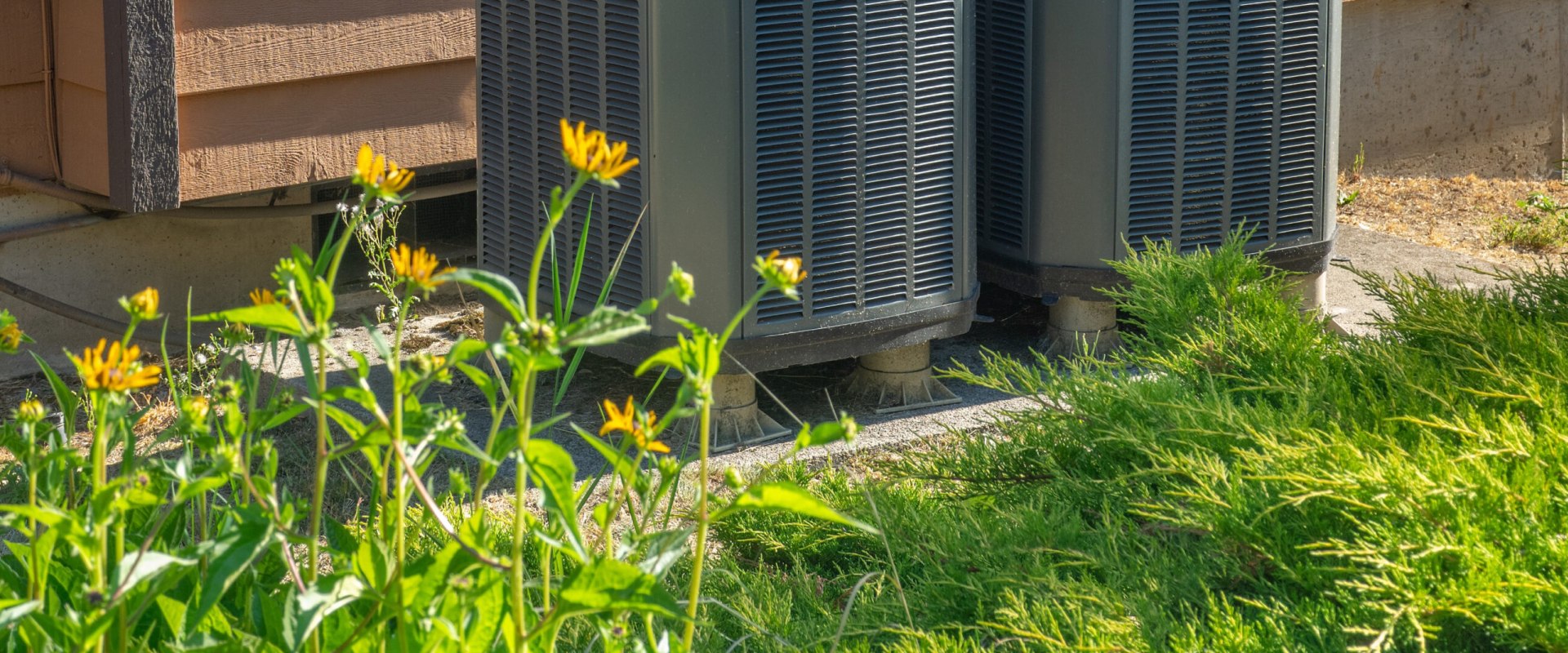
The outdoor condenser unit should be free from debris such as leaves, dirt, and grass clippings. Regularly inspect the area around the unit and clear away any obstructions that could hinder airflow. A clean outdoor unit can significantly improve efficiency and performance.3.Schedule Professional Maintenance
While there are many maintenance tasks you can handle yourself, it’s wise to schedule a professional inspection at least once a year.An HVAC technician can perform a thorough check-up, including:
- Checking refrigerant levels
- Inspecting electrical components
- Cleaning coils
- Testing thermostat accuracy
4.Monitor Thermostat Settings
Using a programmable thermostat can help maintain optimal temperatures without overworking your AC unit. Set it to adjust automatically based on your schedule, which can lead to energy savings and reduced wear on your system.5.Seal Ducts and Insulate
If your home has ductwork, ensure that it is properly sealed and insulated. Leaky ducts can lead to significant energy loss and make your air conditioner work harder than necessary. Consider having a professional conduct a duct inspection to identify any leaks or inefficiencies.6.Keep an Eye on Performance
Pay attention to how your air conditioner performs over time.If you notice unusual noises, inconsistent cooling, or increased energy bills, these could be signs that something is wrong. Addressing these issues promptly can prevent further damage and extend the life of your unit.By following these maintenance tips diligently, you can ensure that your new air conditioner operates efficiently for years to come, providing comfort in your home while minimizing repair costs.
Conclusion: Making an Informed Decision on Your Air Conditioning Needs
In conclusion, the decision to replace your old air conditioner is not one to be taken lightly. Throughout this guide, we have explored various factors that influence this important choice, emphasizing the need for a thorough evaluation of your current system's performance and efficiency.As we discussed, the age of your air conditioning unit plays a significant role in determining whether to repair or replace it. If your system is over ten years old, it may be time to consider an upgrade.Newer models are designed with advanced technology that enhances energy efficiency, which can lead to substantial savings on your utility bills.Moreover, the cost of repairs should not be overlooked. Frequent breakdowns and costly repairs can quickly add up, making replacement a more financially sound option in the long run. By investing in a new air conditioner, you not only improve your home's comfort but also reduce the likelihood of unexpected expenses associated with an aging system.When selecting an AC installation company, it is crucial to do your research. Look for companies with strong reputations, positive customer reviews, and certifications that demonstrate their expertise in HVAC systems.
A reliable contractor will help you choose the right unit for your home and ensure proper installation, maximizing the benefits of your new air conditioning system.Ultimately, making an informed decision about replacing your air conditioner involves weighing the pros and cons of repair versus replacement, considering energy efficiency ratings, and understanding the long-term financial implications. By taking these factors into account, you can ensure that you choose a solution that meets your needs and enhances your home's comfort for years to come.