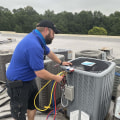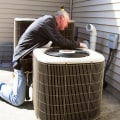
Understanding the fundamentals of air conditioning systems is essential for homeowners and business owners alike. These systems are designed to regulate indoor temperatures, ensuring comfort during the sweltering summer months. At their core, air conditioners work by removing heat and humidity from the air inside a building, effectively cooling it down. This process involves several key components, including the compressor, condenser, evaporator coil, and expansion valve, each playing a vital role in the overall functionality of the system.The HVAC basics begin with the compressor, which pumps refrigerant through the system.
This refrigerant absorbs heat from the indoor air as it passes through the evaporator coil, transforming from a liquid to a gas. The now gaseous refrigerant is then sent to the condenser, where it releases the absorbed heat outside, returning to its liquid state. This continuous cycle of heat exchange is what keeps your indoor environment cool and comfortable.Moreover, understanding how these components interact can help you appreciate why proper sizing and installation are critical. An air conditioning unit that is too small will struggle to cool your space effectively, leading to increased energy consumption and wear on the system. This refrigerant absorbs heat from the indoor air as it passes through the evaporator coil, transforming from a liquid to a gas. The now gaseous refrigerant is then sent to the condenser, where it releases the absorbed heat outside, returning to its liquid state. This continuous cycle of heat exchange is what keeps your indoor environment cool and comfortable.Moreover, understanding how these components interact can help you appreciate why proper sizing and installation are critical. An air conditioning unit that is too small will struggle to cool your space effectively, leading to increased energy consumption and wear on the system.
Conversely, an oversized unit may cool the space too quickly without adequately dehumidifying it, resulting in a clammy atmosphere. Therefore, grasping these basic principles not only enhances your knowledge but also empowers you to make informed decisions when selecting an AC installation company for your needs.
The Importance of Proper Sizing for Air Conditioning Units
When it comes to air conditioning, the significance of proper sizing cannot be overstated. An air conditioning unit that is either too large or too small can lead to a myriad of issues that affect not only the comfort of your home but also your energy bills and the longevity of the system.Oversized AC Units
- Increased Energy Consumption: An oversized unit cools the space too quickly, causing it to cycle on and off frequently. This short cycling leads to higher energy consumption, as the unit uses more electricity to start up repeatedly.
- Uneven Cooling: Larger units often fail to distribute cool air evenly throughout the space.
This can result in hot and cold spots, making it uncomfortable for occupants.
- Higher Humidity Levels: An oversized unit may not run long enough to effectively remove humidity from the air, leading to a clammy indoor environment.
- Frequent Repairs: The constant cycling can put additional strain on the system, leading to more frequent breakdowns and costly repairs.
Undersized AC Units
- Inadequate Cooling: An undersized unit struggles to maintain the desired temperature, especially during peak heat periods. This can lead to discomfort and frustration for homeowners.
- Increased Energy Bills: To compensate for its inability to cool effectively, an undersized unit runs continuously, resulting in significantly higher energy bills.
- Shortened Lifespan: The constant overworking of an undersized unit can lead to premature wear and tear, ultimately shortening its lifespan.
- The square footage of your home
- The local climate and weather patterns
- The quality of insulation in your walls and attic
- The number and size of windows and doors
- The orientation of your home (which way it faces)
- The number of occupants and their activities
How to Determine the Right Size for Your Air Conditioning Unit
Choosing the right size for your air conditioning unit is crucial for ensuring optimal performance and energy efficiency.An improperly sized unit can lead to a range of issues, from inadequate cooling to increased energy costs. To accurately size an AC unit, it is essential to understand the BTU calculations and the Manual J load calculation process.
Understanding BTUs
BTU, or British Thermal Unit, is a measurement of heat energy. When sizing an air conditioning unit, the BTU rating indicates how much heat the unit can remove from a space in one hour. The general rule of thumb is that you need about 20 BTUs per square foot of living space.
However, this is a simplified approach and does not take into account various factors that can affect cooling needs.
Factors Influencing AC Sizing
- Climate: The local climate plays a significant role in determining the necessary cooling capacity. Hotter regions will require units with higher BTU ratings.
- Home Size: The total square footage of your home is a primary factor. Larger homes will naturally require more cooling power.
- Insulation Quality: Well-insulated homes retain cool air better than poorly insulated ones, affecting the size of the AC unit needed.
- Sun Exposure: Homes with large windows or those that receive direct sunlight for most of the day may require additional cooling capacity.
- Occupancy: The number of people living in the home can also impact cooling needs, as more occupants generate more heat.
The Manual J Load Calculation
The Manual J load calculation is a comprehensive method used by HVAC professionals to determine the precise heating and cooling needs of a home. This calculation considers all relevant factors, including those mentioned above, to provide an accurate assessment of the required BTUs for your air conditioning unit.The process involves:
- Measuring the square footage: Accurate measurements of each room are taken into account.
- Evaluating insulation: The quality and type of insulation in walls, ceilings, and floors are assessed.
- Assessing windows and doors: The number, size, and type of windows and doors are evaluated for their impact on heat gain or loss.
- Considering ventilation: Existing ventilation systems and their efficiency are factored into the calculations.
Consulting with a professional AC installation company can help you navigate this process effectively, ensuring that your new system operates at peak efficiency.
The Role of an AC Installation Company in Ensuring Proper Sizing
When it comes to the installation of an air conditioning unit, the expertise of an AC installation company is invaluable. These professionals possess the knowledge and experience necessary to ensure that your air conditioning system is not only properly sized but also installed with precision. This is crucial for achieving optimal performance and energy efficiency.One of the primary roles of an AC installation company is to conduct a thorough assessment of your home before recommending a specific unit. This assessment typically includes:- Evaluating Home Size: The size of your home plays a significant role in determining the appropriate capacity of the air conditioning unit.
An experienced technician will measure the square footage and consider the layout to ensure adequate cooling.
- Considering Insulation Quality: The level of insulation in your home affects how much cooling is required. A well-insulated home may need a smaller unit compared to one with poor insulation.
- Analyzing Climate Conditions: Different regions have varying climate conditions that impact cooling needs. An AC installation company will take local weather patterns into account when sizing your unit.
- Assessing Ductwork: If your home has existing ductwork, its condition and size will also influence the choice of air conditioning system. Properly sized ducts are essential for efficient airflow.
An oversized unit may cool your home too quickly, leading to frequent on-and-off cycling, which can increase energy costs and wear out components prematurely. Conversely, an undersized unit will struggle to maintain comfortable temperatures, resulting in higher energy bills and reduced comfort.Moreover, professional installation ensures that all components are set up correctly, minimizing the risk of issues such as refrigerant leaks or electrical problems. A reputable AC installation company will also provide guidance on maintenance practices that can prolong the lifespan of your system.In summary, engaging an AC installation company is essential for ensuring that your air conditioning unit is appropriately sized and installed. Their expertise not only enhances performance but also contributes to long-term savings on energy bills and maintenance costs.
The Consequences of Improper Installation
Improper installation of an air conditioning unit can lead to a myriad of issues that not only affect the performance of the system but also pose risks to your home and health.Understanding these consequences is crucial for homeowners considering a new AC installation.
Refrigerant Leaks
One of the most significant risks associated with improper AC installation is refrigerant leaks. If the refrigerant lines are not sealed correctly, it can lead to a loss of refrigerant, which is essential for the cooling process. This not only reduces the efficiency of your air conditioning unit but can also cause environmental harm. Additionally, low refrigerant levels can lead to compressor failure, resulting in costly repairs or even the need for a complete system replacement.Electrical Issues
Another common consequence of poor installation is electrical problems.If the wiring is not done correctly, it can lead to short circuits, blown fuses, or even electrical fires. These issues can be dangerous and may require professional intervention to resolve. Furthermore, improper electrical connections can cause the AC unit to operate inefficiently, leading to increased energy bills and a shorter lifespan for the system.
Reduced Efficiency
When an air conditioning unit is not installed properly, its efficiency can be severely compromised. An incorrectly sized unit may cycle on and off too frequently or struggle to maintain the desired temperature, leading to higher energy consumption.Homeowners may notice that their energy bills increase significantly after installation due to this inefficiency. Moreover, an improperly installed system may fail to distribute air evenly throughout the home, resulting in hot and cold spots that make living conditions uncomfortable.
Common Installation Mistakes
- Incorrect Sizing: Choosing a unit that is too large or too small for your space can lead to numerous problems.
- Poor Ductwork: Failing to seal or size ducts properly can result in significant energy loss.
- Neglecting Drainage: Improper drainage setup can cause water damage and mold growth.
- Lack of Insulation: Insufficient insulation around refrigerant lines can lead to energy loss and inefficiency.
Best Practices for Installing an Air Conditioning Unit
Installing an air conditioning unit is a critical task that requires careful planning and execution to ensure optimal performance and longevity. Here are some best practices to follow during the installation process:- Assess the Space: Before installation, evaluate the area where the AC unit will be placed.
Consider factors such as sunlight exposure, room size, and insulation quality. This assessment will help determine the appropriate size and type of unit needed.
- Proper Ductwork: If your system relies on ductwork, ensure that it is adequately sized and sealed. Leaky or improperly sized ducts can lead to significant energy loss and uneven cooling. Use high-quality materials for duct construction and consider insulating ducts that run through unconditioned spaces.
- Refrigerant Handling: During installation, it’s essential to handle refrigerants with care.
Ensure that the refrigerant lines are properly connected and leak-tested before charging the system. Use a vacuum pump to remove moisture from the lines, as moisture can cause damage to the compressor.
- Ensure Proper Airflow: Position the indoor unit in a way that allows for unobstructed airflow. Avoid placing furniture or other objects in front of vents. Additionally, check that the outdoor unit has sufficient clearance from walls and other obstructions to facilitate airflow.
- Level Installation: Make sure that both indoor and outdoor units are installed on level surfaces.
An unlevel installation can lead to operational issues, including improper drainage and increased wear on components.
- Electrical Connections: Ensure all electrical connections are secure and comply with local codes. Use a dedicated circuit for the AC unit to prevent overloads and ensure safe operation.
- Test the System: After installation, conduct thorough testing of the system. Check for proper cooling performance, listen for unusual noises, and monitor energy consumption during initial operation.
Cost Considerations: Investing in Quality Installation vs.
Cutting CornersWhen it comes to AC installation, the initial cost can be a significant factor in decision-making for many homeowners. However, it is essential to understand that opting for the cheapest installation option may lead to higher expenses in the long run. Investing in quality installation not only ensures optimal performance but also contributes to long-term savings.One of the primary reasons to consider quality installation is the potential for energy efficiency. A properly sized and installed air conditioning unit operates more efficiently, which translates to lower energy bills.
According to the U. S. Department of Energy, an inefficient system can increase energy consumption by up to 30%. This means that while you might save money upfront by choosing a less expensive installation, you could end up paying significantly more over time due to inflated energy costs.Moreover, a professional AC installation company will conduct a thorough assessment of your home’s cooling needs.
This includes evaluating factors such as:
- Square footage of your home
- Insulation quality
- Climate zone
- Ductwork condition and size
By prioritizing quality over cost-cutting measures, homeowners can enjoy a comfortable living environment while safeguarding their financial interests in the long term.
Maintenance: Keeping Your Air Conditioning Unit Running Efficiently
Regular maintenance of your air conditioning unit is not just a good practice; it is essential for ensuring optimal performance and longevity. Just like any other mechanical system, your AC requires periodic checks and upkeep to function efficiently. Neglecting maintenance can lead to a host of problems, including decreased efficiency, higher energy bills, and even premature system failure.Importance of Regular Maintenance
One of the primary reasons to prioritize AC maintenance is to enhance energy efficiency. A well-maintained unit operates more effectively, consuming less energy to cool your home.
This translates into lower utility bills, which can be significant during the hot summer months. Additionally, regular maintenance helps identify potential issues before they escalate into costly repairs.Moreover, routine maintenance can improve indoor air quality. Dust, dirt, and allergens can accumulate in your AC system over time. Regular cleaning and filter changes help ensure that the air circulating in your home is clean and healthy.
Essential Maintenance Tasks
- Filter Replacement: One of the simplest yet most effective maintenance tasks is replacing or cleaning the air filter regularly.
A clogged filter restricts airflow, making your AC work harder and less efficiently.
- Coil Cleaning: The evaporator and condenser coils can accumulate dirt over time. Cleaning these coils helps maintain efficient heat exchange, which is crucial for cooling performance.
- Drain Line Inspection: Ensure that the condensate drain line is clear to prevent water damage and humidity issues in your home. A blocked drain line can lead to water leaks and mold growth.
- Thermostat Calibration: Regularly check that your thermostat is functioning correctly. An inaccurate thermostat can lead to improper cooling and increased energy consumption.
- Professional Tune-Ups: Hiring an experienced HVAC technician for annual inspections can help catch issues early on.
They can perform comprehensive checks and tune-ups that are beyond the scope of DIY maintenance.
HVAC Upkeep Strategies
In addition to these tasks, consider implementing a seasonal maintenance schedule. This proactive approach ensures that your AC unit receives attention before peak usage periods. For instance, scheduling a professional inspection in early spring can prepare your system for the summer heat.Furthermore, investing in a maintenance plan with a reputable AC installation company can provide peace of mind. These plans often include regular check-ups and priority service during emergencies, ensuring that your system remains in top condition year-round.In conclusion, regular maintenance is vital for keeping your air conditioning unit running efficiently.
By committing to essential upkeep tasks and seeking professional assistance when needed, you can extend the lifespan of your system while enjoying a comfortable indoor environment.
Frequently Asked Questions About AC Installation and Sizing
When considering the installation of an air conditioning unit, homeowners often have numerous questions. Addressing these frequently asked questions can help demystify the process and ensure that you make informed decisions.What size air conditioning unit do I need for my home?
The size of your air conditioning unit is crucial for optimal performance. An AC installation company typically uses a calculation known as the Manual J load calculation to determine the appropriate size. This calculation considers factors such as:- The square footage of your home
- Your home's insulation quality
- The number of windows and their orientation
- Your local climate
- The number of occupants in your home
Can I install an AC unit myself?
While some homeowners may consider a DIY approach to installing an air conditioning unit, it is highly recommended to hire a professional.An experienced HVAC technician not only ensures proper installation but also adheres to local building codes and safety standards. Improper installation can lead to issues such as:
- Refrigerant leaks
- Poor airflow
- Increased energy bills
- Shortened lifespan of the unit
How often should I have my AC unit serviced?
Regular maintenance is essential for keeping your air conditioning system running efficiently. It is advisable to schedule a professional service at least once a year, ideally before the cooling season begins. During this service, technicians will:- Inspect and clean components
- Check refrigerant levels
- Test electrical connections
- Replace or clean filters
What are the signs that my AC unit is too small?
If your air conditioning unit is struggling to maintain a comfortable temperature, it may be undersized for your space.Common signs include:
- Inconsistent temperatures throughout your home
- The unit runs continuously without reaching the desired temperature
- High energy bills despite normal usage patterns
Conclusion: The Long-Term Benefits of Properly Sized and Installed Air Conditioning Units
In summary, the significance of properly sizing and installing an air conditioning unit cannot be overstated. As we have explored throughout this article, the right size and professional installation are critical factors that directly influence the efficiency, performance, and longevity of your HVAC system.When you invest in an air conditioning unit, it is essential to consider not just the initial cost but also the long-term implications of your choices. An AC installation company with a solid reputation will ensure that your unit is sized accurately based on a comprehensive assessment of your home’s specific needs. This includes evaluating factors such as:- Square footage: The size of your home plays a crucial role in determining the appropriate capacity of the air conditioning unit.
- Insulation quality: Well-insulated homes retain cool air more effectively, which can influence the size of the unit needed.
- Climate zone: Different regions have varying cooling requirements based on local weather patterns.
- Ductwork condition: Properly sealed and sized ducts are vital for optimal airflow and efficiency.
A skilled technician will not only install the unit correctly but also ensure that all components, including ductwork and electrical connections, are functioning optimally. This attention to detail minimizes the risk of issues such as refrigerant leaks or electrical malfunctions that can lead to costly repairs down the line.Ultimately, investing in a properly sized and professionally installed air conditioning unit can lead to significant savings on energy bills, reduced maintenance costs, and an extended lifespan for your system. By prioritizing these factors, homeowners can enjoy a comfortable living environment while maximizing their investment.As you consider your options for air conditioning, remember that choosing a qualified AC installation company is a crucial step toward ensuring your home remains cool and efficient for years to come. Don’t overlook the long-term benefits that come from making informed decisions about sizing and installation.