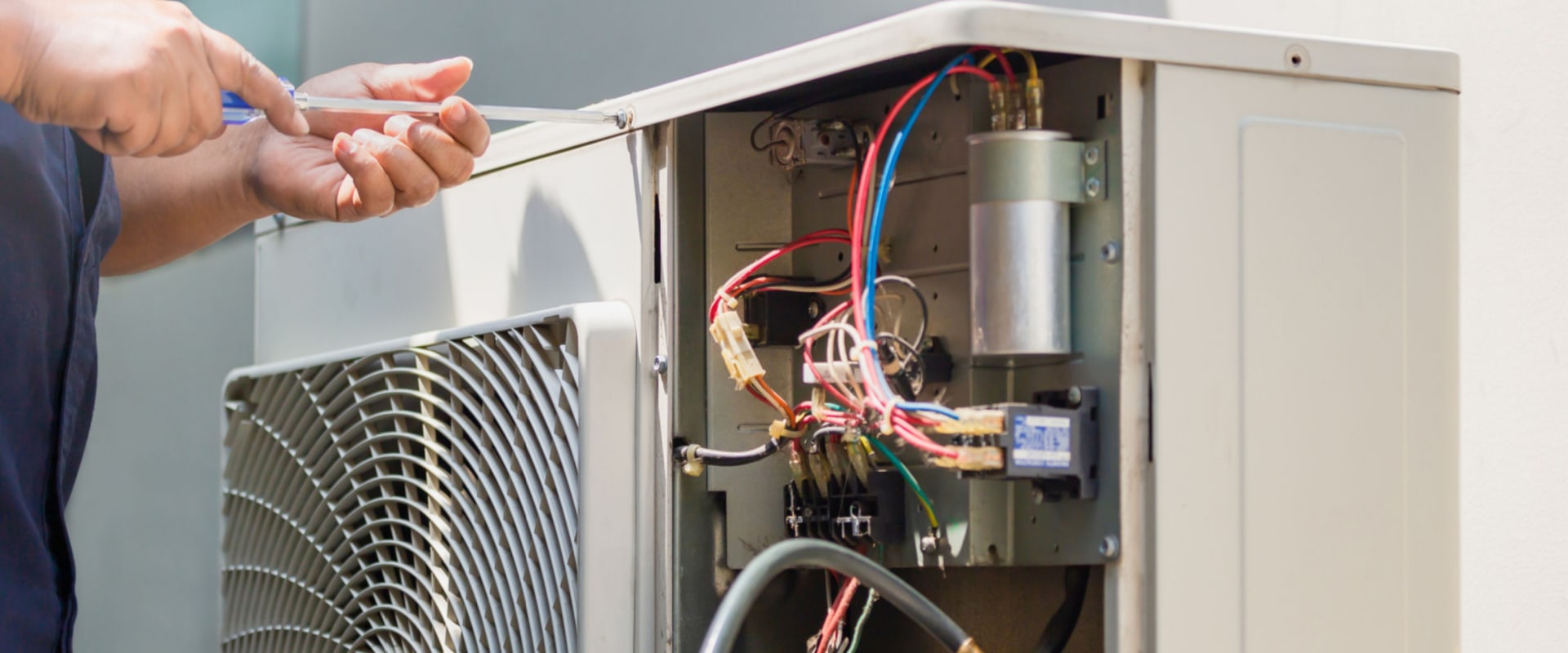
Understanding your HVAC system is crucial for maintaining a comfortable home environment. HVAC, which stands for heating, ventilation, and air conditioning, plays a vital role in regulating indoor temperatures and ensuring air quality. These systems are designed to provide year-round comfort, but like any mechanical system, they have a finite lifespan. Typically, an HVAC system can last anywhere from 15 to 25 years, depending on various factors such as usage, maintenance, and the quality of the installation.As your HVAC system ages, it becomes increasingly important to monitor its performance and be aware of the signs that indicate it may be time for a replacement.
Common indicators of HVAC failure include inconsistent temperatures throughout your home, unusual noises during operation, and a noticeable increase in energy bills. If you find yourself frequently calling an AC installation company for repairs or if your system struggles to maintain a comfortable temperature, these could be red flags that your unit is nearing the end of its life.Recognizing when to replace your HVAC system can save you from unexpected breakdowns and costly repairs. It’s not just about the age of the unit; understanding how well it has been maintained and how efficiently it operates is equally important. Regular maintenance can extend the life of your system, but eventually, even the best-maintained units will need to be replaced.
In this article, we will explore the key factors that influence the decision to replace your HVAC system and provide guidance on how to navigate this significant investment.
Signs That Indicate It's Time for a Replacement
Deciding whether to replace your HVAC system can be a daunting task, but recognizing the signs that indicate a replacement is necessary can simplify the decision-making process. Here are some key indicators that suggest it might be time to consider a new system.1.Age of the System
One of the most significant factors in determining whether to replace your HVAC system is its age. Most HVAC systems have a lifespan of about 15 to 20 years. If your system is approaching or has surpassed this age, it may be time to start thinking about a replacement.Older systems are not only less efficient but also more prone to breakdowns, which can lead to costly repairs.
2.Frequent Repairs
If you find yourself calling an AC installation company for repairs more often than usual, it’s a clear sign that your HVAC system is struggling. Frequent breakdowns can indicate that the system is nearing the end of its life. While minor repairs are normal, if you’re spending more on repairs than you would on a new system, it’s time to consider replacing it.3.Rising Energy Bills
Another telling sign is a noticeable increase in your energy bills. As HVAC systems age, they become less efficient at cooling or heating your home, leading to higher energy consumption and costs.If you’ve noticed a significant spike in your utility bills without any changes in usage patterns, it may be time to consult with an AC installation company about upgrading to a more energy-efficient model.
4.Inconsistent Temperatures
If certain rooms in your home are consistently warmer or cooler than others, this could indicate that your HVAC system is failing to distribute air evenly. Inconsistent temperatures can be frustrating and uncomfortable, and they often signal that the system is no longer functioning effectively.5.Unusual Noises or Odors
Pay attention to any strange noises or odors coming from your HVAC unit. Sounds like grinding, squealing, or banging can indicate serious mechanical issues, while musty or burning smells may suggest electrical problems or mold growth within the system. If these issues persist after repairs, replacing the unit may be the safest option.In conclusion, recognizing these signs can help you make an informed decision about whether it’s time to replace your HVAC system.If you’re experiencing any of these issues, consulting with an experienced AC installation company can provide you with valuable insights and options tailored to your specific needs.
The Cost of Repair vs. Replacement
When faced with the decision of whether to repair or replace your HVAC system, understanding the financial implications is crucial. The costs associated with HVAC repairs can vary significantly based on the nature of the issue, while replacement costs often encompass a broader range of factors.HVAC Repair Costs
- The average cost of HVAC repairs typically ranges from $150 to $1,500, depending on the complexity of the problem.
- Common repairs include issues with the compressor, refrigerant leaks, and electrical problems. Each of these can incur different costs:
- Compressor replacement can cost between $1,200 and $2,500.
- Refrigerant leak repairs may range from $200 to $1,500, depending on the severity.
- Electrical issues can be less expensive, often falling between $100 and $300.
- Additionally, consider that frequent repairs can add up over time.
If you find yourself calling for service multiple times a year, it may be a sign that your system is nearing the end of its lifespan.
HVAC Replacement Costs
- In contrast, replacing an HVAC system is a more significant investment. The average cost for a new system installation ranges from $3,000 to $7,000, depending on the size and efficiency of the unit.
- Factors influencing replacement costs include:
- The type of system (central air conditioning vs. ductless systems).
- The efficiency rating (higher SEER ratings typically mean higher upfront costs but lower operating costs).
- Installation complexity and any necessary modifications to existing ductwork.
- Moreover, investing in a new system can lead to long-term savings through improved energy efficiency. Newer models often consume less energy, which can significantly reduce monthly utility bills.
Cost Analysis: Repair vs.
Replacement
To make an informed decision, homeowners should conduct a thorough cost analysis:
- Calculate the total repair costs over the past few years.
- Estimate potential future repair costs based on your system's age and condition.
- Compare these figures against the total cost of a new installation.
The Impact of New Regulations on HVAC Systems
In recent years, the HVAC industry has undergone significant changes due to new regulations aimed at improving energy efficiency and reducing environmental impact. These regulations, particularly those concerning refrigerants, have a profound effect on homeowners contemplating whether to replace their aging HVAC systems.One of the most notable changes is the 2023 refrigerant regulations , which phase out the use of certain high-global warming potential (GWP) refrigerants. The transition to more environmentally friendly alternatives, such as R-410A and R-32, is now mandatory. This shift not only affects the types of refrigerants available but also impacts the overall performance and efficiency of HVAC systems.As older systems that utilize phased-out refrigerants become less viable, homeowners may find it increasingly difficult to source replacement parts or refrigerants for repairs. , which phase out the use of certain high-global warming potential (GWP) refrigerants. The transition to more environmentally friendly alternatives, such as R-410A and R-32, is now mandatory. This shift not only affects the types of refrigerants available but also impacts the overall performance and efficiency of HVAC systems.As older systems that utilize phased-out refrigerants become less viable, homeowners may find it increasingly difficult to source replacement parts or refrigerants for repairs.This scarcity can lead to longer wait times for service and potentially higher costs, making it a crucial factor in deciding whether to replace an old system.Moreover, the new HVAC standards emphasize energy efficiency, requiring systems to meet higher Seasonal Energy Efficiency Ratio (SEER) ratings. This means that if your current system is outdated and does not comply with these standards, you may be compelled to consider a replacement sooner rather than later. Investing in a new system that meets these regulations can lead to significant savings on energy bills over time.Additionally, many local governments are offering incentives for homeowners who upgrade to compliant systems. These incentives can help offset the initial costs associated with AC installation, making it a financially sound decision in light of the new regulations.In summary, the recent changes in HVAC regulations are not just bureaucratic updates; they have real implications for homeowners.
As you evaluate your current system's performance and longevity, consider how these regulations might influence your decision to replace your HVAC system. Staying informed about these developments can help you make a more educated choice that benefits both your home and the environment.
Benefits of Upgrading Your HVAC System
Upgrading your HVAC system can bring a multitude of benefits that extend beyond mere comfort. As technology advances, modern HVAC systems are designed to be more efficient, reliable, and user-friendly. Here are some key advantages of investing in a new HVAC system:- Enhanced Energy Efficiency: One of the most significant benefits of a new HVAC system is its improved energy efficiency.
Modern units are built with advanced technology that allows them to consume less energy while providing the same or even better cooling and heating performance. This can lead to substantial savings on your monthly utility bills.
- Advanced Technology Features: New HVAC systems often come equipped with smart technology features that allow for greater control and convenience. For instance, many systems now offer programmable thermostats, which enable homeowners to set specific temperatures for different times of the day. Some even allow remote access via smartphone apps, giving you the ability to adjust settings from anywhere.
- Improved Indoor Air Quality: Upgrading your HVAC system can also enhance the quality of the air in your home.
Newer models often include advanced filtration systems that can capture allergens, dust, and other pollutants more effectively than older units. This is particularly beneficial for individuals with allergies or respiratory issues.
- Increased Reliability: Older HVAC systems are more prone to breakdowns and require frequent repairs, which can be both inconvenient and costly. A new system typically comes with warranties and is less likely to experience issues, providing peace of mind for homeowners.
- Environmental Benefits: By upgrading to a more energy-efficient HVAC system, you are not only saving money but also reducing your carbon footprint. Modern systems use eco-friendly refrigerants and consume less energy, contributing to a healthier planet.
With the advancements in technology and design, a new HVAC system can significantly enhance your home environment while providing financial benefits that make it a worthwhile consideration.
Choosing the Right AC Installation Company
When it comes to installing a new air conditioning system, selecting the right AC installation company is crucial for ensuring a smooth and efficient process. With so many options available, it can be overwhelming to determine which contractor will best meet your needs. Here are some essential tips to help you make an informed decision.1.Research and Reviews
- Start by researching local HVAC contractors. Look for companies with a solid reputation in your community.
- Check online reviews on platforms like Google, Yelp, and the Better Business Bureau (BBB).
Pay attention to both positive and negative feedback.
- Ask friends, family, or neighbors for recommendations based on their experiences.
2.Verify Credentials
- Ensure that the company is licensed and insured. This protects you from liability in case of accidents during installation.
- Check if the contractor has certifications from recognized organizations, such as NATE (North American Technician Excellence) or ACCA (Air Conditioning Contractors of America).
3.Obtain Multiple Quotes
- Contact at least three different companies to get quotes. This will give you a better understanding of the market rates and help you identify any outliers.
- Make sure each quote includes a detailed breakdown of costs, including labor, materials, and any additional fees.
4.Ask the Right Questions
- Inquire about the company’s experience with AC installations similar to yours. A contractor with extensive experience is more likely to handle unexpected challenges effectively.
- Ask about the brands and models they recommend.
A reputable contractor should be knowledgeable about energy-efficient options that suit your home’s needs.
- Find out about their warranty policies on both equipment and labor. A good warranty can save you money in the long run.
5.Evaluate Customer Service
- Pay attention to how responsive and professional the company is during your initial interactions. Good customer service is often indicative of how they will treat you throughout the installation process.
- A reliable contractor should be willing to answer all your questions and provide clear explanations without pressure.
Financing Options for Your New HVAC System
Replacing your HVAC system can be a significant financial commitment, but there are various financing options available to help ease the burden.Understanding these options can empower homeowners to make informed decisions without compromising on comfort.
1.HVAC Financing Loans
- Personal Loans: Many banks and credit unions offer personal loans specifically for home improvements, including HVAC replacements. These loans typically have fixed interest rates and flexible repayment terms.
- Home Equity Loans: If you have built up equity in your home, a home equity loan can provide a lump sum to cover the cost of your new HVAC system. This option often comes with lower interest rates compared to unsecured loans.
- Credit Cards: For smaller projects or initial payments, using a credit card can be an option. However, be cautious of high-interest rates and ensure you can pay off the balance quickly.
2.Payment Plans
Many AC installation companies offer payment plans that allow homeowners to spread the cost of their new HVAC system over several months or years.
These plans can vary widely, so it’s essential to read the terms carefully:
- No Interest Financing: Some companies provide promotional periods where no interest is charged if the balance is paid in full by a specific date.
- Installment Payments: This option allows you to make regular monthly payments over an agreed period, making it easier to budget for your new system.
3.Incentives and Rebates
Homeowners should also explore local and federal incentives that can significantly reduce the overall cost of replacing an HVAC system:
- Energy Efficiency Rebates: Many utility companies offer rebates for installing energy-efficient systems. Check with your local provider for available programs.
- Tax Credits: Depending on the type of HVAC system you install, you may qualify for federal tax credits that can offset some of the costs.
Frequently Asked Questions About HVAC Replacement
When considering a replacement for your HVAC system, it's natural to have questions. Here are some of the most frequently asked questions homeowners have regarding HVAC replacement:1.How do I know if my HVAC system needs to be replaced?
Several signs indicate it might be time for a replacement:- Age: If your system is over 15 years old, it may be nearing the end of its lifespan.
- Frequent Repairs: If you find yourself calling for repairs multiple times a year, it may be more cost-effective to replace the unit.
- Increased Energy Bills: A sudden spike in your energy bills can indicate that your system is working harder than it should.
- Inconsistent Temperatures: If some rooms are too hot or too cold, your HVAC system may not be functioning properly.
2.What are the benefits of replacing my HVAC system?
Replacing your HVAC system can offer numerous advantages:- Improved Efficiency: Newer systems are designed to be more energy-efficient, which can lead to lower utility bills.
- Enhanced Comfort: Modern units provide better temperature control and air quality.
- Reduced Environmental Impact: New systems often use eco-friendly refrigerants and consume less energy.
- Increased Home Value: A new HVAC system can enhance the overall value of your home.
3.How long does the installation process take?
The installation time can vary based on several factors, including the complexity of the installation and the type of system being installed.Generally, a typical residential HVAC installation can take anywhere from a few hours to a full day. Your AC installation company will provide a more accurate estimate based on your specific situation.
4.What should I look for in an AC installation company?
Selecting the right AC installation company is crucial for ensuring a successful installation. Consider the following:- Experience: Look for companies with a proven track record in HVAC installations.
- Licensing and Insurance: Ensure they are properly licensed and insured to protect yourself from liability.
- Customer Reviews: Check online reviews and testimonials to gauge customer satisfaction.
- Warranty Options: Inquire about warranties on both equipment and labor to safeguard your investment.
Conclusion: Making an Informed Decision About Your HVAC System
Deciding whether to repair or replace your HVAC system is a significant choice that can impact your home’s comfort, energy efficiency, and overall costs. As we have explored throughout this article, there are several critical factors to consider when making this decision.First and foremost, understanding the age and condition of your current system is essential.If your HVAC unit is approaching or has surpassed its expected lifespan of 15 to 20 years, it may be time to consult with an AC installation company about replacement options. Older systems not only become less efficient but also may struggle to meet modern energy standards, leading to higher utility bills.Additionally, consider the frequency and cost of repairs. If you find yourself calling for repairs multiple times a year or if the costs are beginning to add up significantly, investing in a new system could save you money in the long run. Newer models often come with warranties and improved technology that can enhance performance and reliability.Another crucial aspect is the availability of parts for older systems.
As HVAC technology evolves, finding replacement parts for outdated units can become increasingly challenging. This scarcity can lead to longer wait times for repairs and potentially higher costs as parts become harder to source.Moreover, with recent changes in refrigerant regulations, it’s vital to consider the implications of maintaining an older system that uses outdated refrigerants. Transitioning to a new system that utilizes more environmentally friendly refrigerants can not only comply with regulations but also improve your home’s energy efficiency.Ultimately, making an informed decision involves weighing these factors against your budget and long-term goals for your home. Consulting with a reputable AC installation company can provide you with valuable insights tailored to your specific situation.
They can help assess your current system's performance, discuss potential upgrades, and outline financing options that make replacing your HVAC system more manageable.In conclusion, whether you choose to repair or replace your HVAC system should be based on careful consideration of its age, repair history, part availability, and compliance with current regulations. By taking the time to evaluate these elements thoroughly, you can ensure that you make a decision that enhances your home’s comfort and efficiency for years to come.