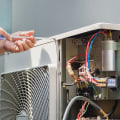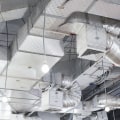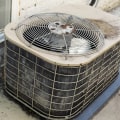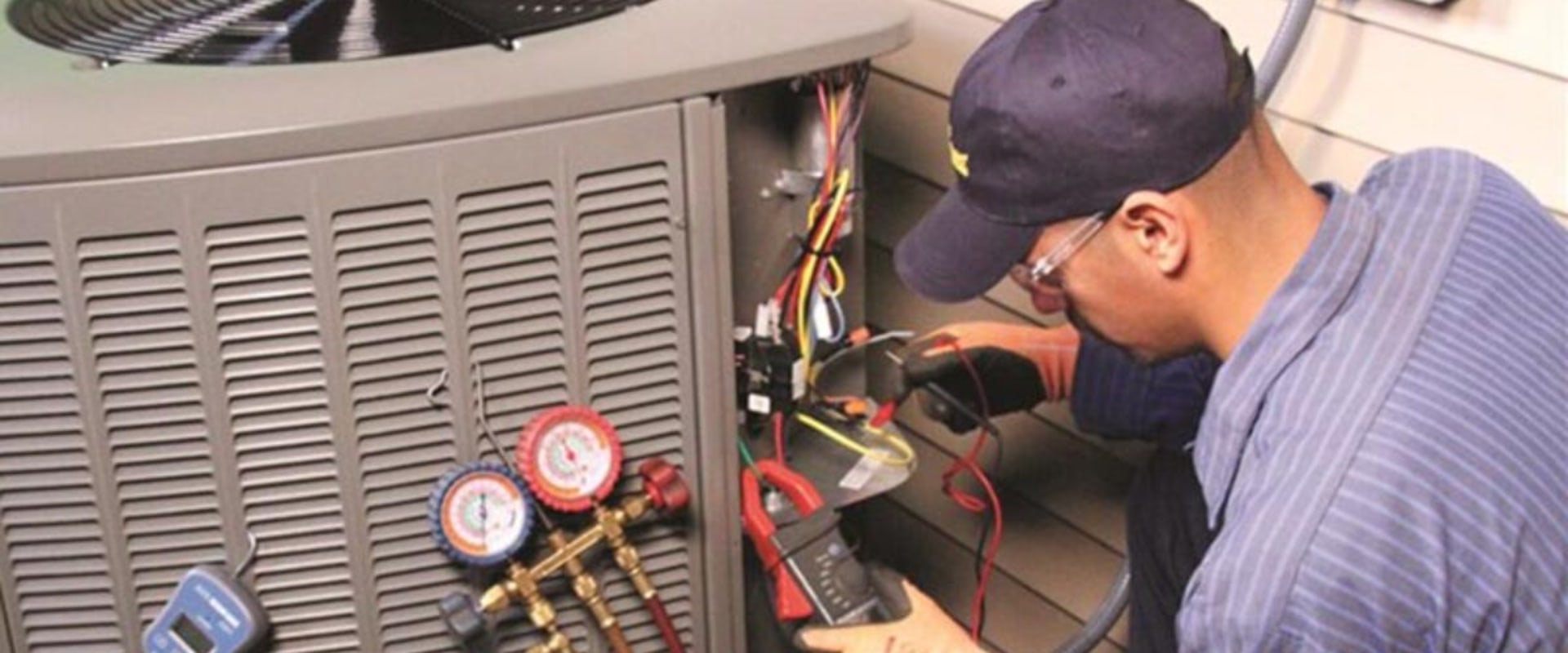
Understanding your HVAC system is essential for any homeowner looking to maximize comfort and efficiency in their living space. HVAC, which stands for Heating, Ventilation, and Air Conditioning, is a complex system designed to regulate indoor temperature, humidity, and air quality. By grasping how these systems work and their individual components, you can better appreciate the importance of regular maintenance and care.At the heart of an HVAC system are three primary components: the heating unit, the ventilation system, and the air conditioning unit. The heating unit, often a furnace or heat pump, generates warmth during colder months.
The ventilation system is responsible for circulating air throughout your home, ensuring that fresh air enters while stale air exits. Finally, the air conditioning unit cools the indoor environment during hot weather, providing relief from the sweltering heat.Each component plays a vital role in maintaining a comfortable atmosphere. For instance, the heating unit works in tandem with the thermostat to maintain your desired temperature. When temperatures drop below a set point, the thermostat signals the heating unit to activate.
Similarly, the air conditioning unit relies on refrigerant to absorb heat from inside your home and release it outdoors, effectively cooling your living space. Understanding these processes not only helps you recognize when something might be amiss but also emphasizes why routine inspections and maintenance are crucial.Moreover, being aware of how your HVAC system operates can empower you to make informed decisions regarding repairs or upgrades. For example, if you notice inconsistent temperatures or increased energy bills, it may indicate that your system requires attention. By familiarizing yourself with these fundamental aspects of your HVAC system, you can take proactive steps to ensure its longevity and efficiency.
The Importance of Regular Maintenance
Regular maintenance of your HVAC system is not just a recommendation; it is a necessity for ensuring its longevity and efficiency.Just like any other mechanical system, your heating and cooling units require consistent care to operate at their best. Neglecting maintenance can lead to a host of problems, including decreased efficiency, higher energy bills, and ultimately, a shorter lifespan for your equipment.One of the primary benefits of regular HVAC maintenance is improved energy efficiency. When your system is clean and well-maintained, it doesn’t have to work as hard to heat or cool your home. This can lead to significant savings on your energy bills.
According to the U. S. Department of Energy, regular maintenance can improve your system's efficiency by up to 30%.Additionally, routine maintenance helps identify potential issues before they escalate into costly repairs. For instance, a simple check of the air filters can prevent dust and debris from clogging the system, which can lead to overheating and breakdowns.
Here are some essential maintenance tasks that should be performed regularly:
- Change Air Filters: Replace or clean air filters every 1-3 months to ensure proper airflow and reduce strain on the system.
- Inspect Ductwork: Check for leaks or blockages in ductwork that can hinder airflow and reduce efficiency.
- Clean Coils: Ensure that both the evaporator and condenser coils are clean to maximize heat exchange efficiency.
- Check Refrigerant Levels: Low refrigerant levels can indicate leaks and affect cooling performance.
- Test Thermostat Settings: Ensure that your thermostat is functioning correctly for accurate temperature control.
Signs Your HVAC System Needs Attention
Understanding the signs that your HVAC system may need attention is crucial for maintaining a comfortable home environment and avoiding costly repairs.Here are some common indicators that suggest your heating and cooling system might be experiencing issues:
- Unusual Noises: If your HVAC system starts making strange sounds such as banging, clanking, or hissing, it could indicate a mechanical issue. These noises often signal loose parts or a failing component that requires immediate attention.
- Inconsistent Temperatures: Are some rooms in your home significantly warmer or cooler than others? This inconsistency can point to ductwork problems, a malfunctioning thermostat, or issues with the HVAC unit itself.
- Increased Energy Bills: A sudden spike in your energy bills without a corresponding increase in usage can indicate that your HVAC system is working harder than it should. This inefficiency may be due to age, lack of maintenance, or underlying mechanical issues.
- Frequent Cycling: If your HVAC system turns on and off more frequently than usual, it may be struggling to maintain the desired temperature. This can lead to increased wear and tear on the unit and may require the expertise of an AC installation company.
- Bad Odors: Unpleasant smells coming from your HVAC system can indicate mold growth, burnt wiring, or other serious issues.
If you notice any strange odors, it's essential to have a professional inspect the system.
- Humidity Issues: An effective HVAC system should help regulate humidity levels in your home. If you find that your home feels excessively humid or dry, it may be time to consult with an expert.
- Age of the System: If your HVAC unit is over 10-15 years old and showing signs of wear, it may be more cost-effective to consider replacement rather than repair. An aging system is often less efficient and more prone to breakdowns.
Tips for Maximizing Your HVAC System's Lifespan
To ensure that your HVAC system operates efficiently and lasts as long as possible, implementing a few key strategies can make a significant difference.Here are some expert tips to help you maximize the lifespan of your heating and cooling system:
- Regular Maintenance: Schedule annual maintenance checks with a qualified AC installation company. Regular inspections can identify potential issues before they become major problems, ensuring your system runs smoothly.
- Change Filters Frequently: Replace or clean your air filters every 1-3 months, depending on usage. Clogged filters restrict airflow, making your system work harder and reducing its lifespan.
- Optimize Thermostat Settings: Use a programmable thermostat to adjust temperatures based on your schedule. Setting the temperature a few degrees higher in summer and lower in winter can reduce strain on your HVAC system.
- Seal Ducts and Insulate: Ensure that your ductwork is properly sealed and insulated.
Leaky ducts can lead to significant energy loss, forcing your HVAC system to work harder to maintain desired temperatures.
- Keep Outdoor Units Clear: Maintain a clear space around outdoor units. Remove debris, leaves, and vegetation that can obstruct airflow. A clean unit operates more efficiently and lasts longer.
- Use Ceiling Fans: Pairing your HVAC system with ceiling fans can enhance air circulation. This allows you to set your thermostat a few degrees higher in summer, reducing energy consumption while maintaining comfort.
- Avoid Overworking the System: During extreme weather conditions, avoid setting the thermostat to extreme temperatures.
Gradual adjustments are more efficient and less taxing on the system.
- Monitor Energy Usage: Keep an eye on your energy bills for any sudden increases, which may indicate an issue with your HVAC system. Early detection can prevent costly repairs or replacements.
Choosing the Right AC Installation Company
When it comes to installing a new air conditioning system, selecting the right AC installation company is crucial for ensuring optimal performance and longevity of your unit. With numerous contractors available, it can be overwhelming to determine which one will meet your needs effectively.Here are some essential factors to consider when choosing an HVAC contractor.
- Experience and Reputation: Look for a company with a solid track record in the industry. Check online reviews, testimonials, and ratings on platforms like Google and Yelp. A reputable contractor will have positive feedback from previous clients, indicating their reliability and quality of service.
- Licensing and Insurance: Ensure that the contractor holds the necessary licenses and certifications required by your state or local authorities. Additionally, they should have liability insurance to protect you from any potential damages or accidents that may occur during the installation process.
- Written Estimates: Obtain written estimates from multiple contractors.
This will help you compare prices and services offered. Be wary of quotes that seem significantly lower than others, as they may indicate subpar materials or workmanship.
- Energy Efficiency Options: Inquire about energy-efficient models and systems that can save you money on utility bills in the long run. A knowledgeable contractor should be able to recommend systems that fit your home’s specific needs.
- What brands do you recommend? Understanding which brands the contractor trusts can give you insight into their expertise and preferences.
- What is your installation process? A reliable contractor should provide a clear outline of their installation process, including timelines and any preparations needed on your part.
- Do you offer warranties? Inquire about warranties on both the equipment and the installation work. A good warranty can provide peace of mind regarding future repairs or replacements.
- Can you provide references? Requesting references from past clients can help you gauge the contractor's reliability and quality of work.
The Role of Technology in HVAC Maintenance
In today's fast-paced world, technology plays a pivotal role in enhancing the efficiency and longevity of HVAC systems.With the advent of smart HVAC systems, homeowners can now monitor and manage their heating and cooling needs more effectively than ever before.
Smart Thermostats
are at the forefront of this technological revolution. These devices allow users to control their HVAC systems remotely via smartphones or tablets, providing unparalleled convenience. By learning your schedule and preferences, smart thermostats can adjust the temperature automatically, ensuring optimal comfort while minimizing energy consumption. This not only leads to lower utility bills but also reduces wear and tear on your system, ultimately extending its lifespan.Moreover, many smart thermostats come equipped with features such as energy usage reports, which provide insights into your consumption patterns.
This data can help you identify areas where you can improve efficiency, such as adjusting settings during peak hours or when you're away from home.Another significant advancement in HVAC technology is the integration of IoT (Internet of Things). IoT-enabled HVAC systems can communicate with other smart devices in your home, creating a cohesive environment that optimizes energy use. For instance, if your smart thermostat detects that no one is home, it can automatically adjust the temperature to save energy.Additionally, these systems often include predictive maintenance capabilities. By continuously monitoring system performance and identifying potential issues before they escalate, IoT technology helps prevent costly repairs and downtime.
This proactive approach not only enhances system reliability but also ensures that your HVAC unit operates at peak efficiency.In conclusion, embracing technology in HVAC maintenance is no longer just an option; it’s a necessity for homeowners looking to maximize the lifespan of their systems. From smart thermostats that learn your habits to IoT-enabled devices that offer predictive maintenance, these innovations provide significant benefits that go beyond mere convenience. By investing in these technologies, you can ensure a comfortable living environment while also protecting your investment in your HVAC system.
Frequently Asked Questions About HVAC Systems
Homeowners often have numerous questions regarding their HVAC systems, especially when it comes to maintenance, efficiency, and troubleshooting. Here are some of the most frequently asked questions that can help you better understand your system and ensure its longevity.What are the signs that my HVAC system needs repair?
There are several indicators that your HVAC system may require attention:- Unusual Noises: If you hear banging, clanking, or hissing sounds, it could indicate a mechanical issue.
- Inconsistent Temperatures: If certain rooms are too hot or too cold compared to others, your system may not be functioning properly.
- Increased Energy Bills: A sudden spike in your energy costs can suggest that your HVAC system is working harder than it should.
- Frequent Cycling: If your system turns on and off more frequently than usual, it may be struggling to maintain the desired temperature.
- Foul Odors: Unpleasant smells can indicate mold growth or electrical issues within the unit.
How often should I change my air filter?
Changing your air filter is crucial for maintaining optimal airflow and efficiency.It is generally recommended to check your filter every month and replace it at least every three months. However, if you have pets or allergies, you may need to change it more frequently.
What is the average lifespan of an HVAC system?
The lifespan of an HVAC system can vary based on several factors, including usage and maintenance. On average, a well-maintained air conditioning unit can last between 15 to 20 years. Regular maintenance from a qualified AC installation company can help extend this lifespan significantly.How can I improve the efficiency of my HVAC system?
Improving the efficiency of your HVAC system can lead to lower energy bills and increased comfort.Here are some tips:
- Regular Maintenance: Schedule annual inspections and tune-ups with a professional technician.
- Seal Ducts: Ensure that your ductwork is properly sealed to prevent air leaks.
- Use Programmable Thermostats: These devices allow you to set temperatures based on your schedule, reducing unnecessary energy use.
- Insulate Your Home: Proper insulation helps maintain indoor temperatures and reduces the workload on your HVAC system.
Conclusion: Ensuring Longevity for Your HVAC System
In conclusion, ensuring the longevity of your HVAC system is not just about the initial AC installation but also about the ongoing care and maintenance that follows. By implementing the strategies discussed throughout this article, you can significantly extend the lifespan of your heating and cooling systems, ultimately saving you money and enhancing your home comfort.Regular Maintenance:
One of the most critical aspects of prolonging your HVAC system's life is adhering to a regular maintenance schedule. This includes routine inspections, cleaning, and necessary repairs.
Engaging a qualified AC installation company for annual check-ups can help identify potential issues before they escalate into costly repairs.
Filter Changes:
Changing or cleaning your air filters regularly is essential. Clogged filters restrict airflow, forcing your system to work harder and potentially leading to premature failure. Aim to check your filters monthly and replace them every three months or as needed.
Thermostat Management:
Utilizing programmable thermostats can optimize your HVAC system's efficiency. By setting appropriate temperatures for different times of the day, you can reduce unnecessary strain on your unit while maintaining comfort.
Professional Assistance:
Don’t hesitate to reach out to professionals for any concerns regarding your HVAC system.
Whether it’s a minor issue or a significant malfunction, timely intervention by an experienced technician from a reputable AC installation company can make all the difference.
Energy Efficiency:
Consider upgrading to energy-efficient models when it’s time for a replacement. Modern systems are designed to consume less energy while providing superior performance, which can lead to lower utility bills and a reduced environmental footprint.By following these guidelines and prioritizing maintenance, you can ensure that your HVAC system operates efficiently for many years. Remember, investing in proper care today will pay off in the long run, keeping your home comfortable and your energy costs manageable.