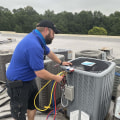
Understanding your HVAC system is crucial for any homeowner looking to maximize comfort and efficiency in their living space. An HVAC system, which stands for heating, ventilation, and air conditioning, plays a vital role in regulating indoor temperatures and ensuring air quality. By familiarizing yourself with the various components of your HVAC system, you can make informed decisions about maintenance and care that will ultimately extend its lifespan.At the heart of every HVAC system are several key components, including the furnace, air conditioner, heat pump, ductwork, and thermostat. Each of these elements works in harmony to provide a comfortable environment throughout the year. Understanding your HVAC system is crucial for any homeowner looking to maximize comfort and efficiency in their living space. An HVAC system, which stands for heating, ventilation, and air conditioning, plays a vital role in regulating indoor temperatures and ensuring air quality. By familiarizing yourself with the various components of your HVAC system, you can make informed decisions about maintenance and care that will ultimately extend its lifespan.At the heart of every HVAC system are several key components, including the furnace, air conditioner, heat pump, ductwork, and thermostat. Each of these elements works in harmony to provide a comfortable environment throughout the year.
For instance, the furnace generates heat during colder months, while the air conditioner cools your home during the summer. Understanding how these components interact can help you identify potential issues before they escalate into costly repairs.Moreover, knowing when to consult an AC installation company or an HVAC technician is essential for maintaining your system's efficiency. Regular inspections and maintenance can prevent minor problems from turning into major headaches. By investing time in understanding your HVAC system and its components, you empower yourself to take proactive steps that enhance its performance and longevity.In addition to regular maintenance, being aware of how external factors such as climate and usage patterns affect your HVAC system can also play a significant role in its lifespan.
For example, systems in regions with extreme weather conditions may require more frequent servicing than those in milder climates. By taking these factors into account and working closely with professionals from an AC installation company, you can ensure that your HVAC system remains reliable and efficient for years to come.
The Importance of Regular Maintenance
Regular maintenance of your HVAC system is not just a recommendation; it is a necessity for ensuring its longevity and efficiency. Just like any other mechanical system, HVAC units require consistent care to function optimally. Neglecting this aspect can lead to a host of problems that not only shorten the lifespan of your system but also increase your energy bills.One of the primary benefits of regular maintenance is the early detection of potential issues.When you schedule routine check-ups with a qualified AC installation company, trained technicians can identify minor problems before they escalate into major repairs. This proactive approach can save homeowners significant amounts of money in the long run, as small fixes are generally much less expensive than extensive repairs or complete system replacements.Additionally, regular maintenance helps to maintain the efficiency of your HVAC system. Over time, dust and debris can accumulate in filters and ducts, leading to reduced airflow and increased energy consumption. A professional technician will clean these components during maintenance visits, ensuring that your system operates at peak performance.
This not only enhances comfort levels in your home but also reduces wear and tear on the unit.Moreover, many manufacturers require proof of regular maintenance to uphold warranties. Failing to adhere to these guidelines could void your warranty, leaving you responsible for costly repairs or replacements. By keeping a detailed record of maintenance performed by an HVAC technician, you can ensure that you remain covered under warranty terms.In summary, the importance of regular HVAC maintenance cannot be overstated. It leads to:
- Increased Lifespan: Regular check-ups can extend the life of your HVAC system significantly.
- Cost Savings: Early detection of issues prevents expensive repairs.
- Energy Efficiency: Clean systems operate more efficiently, reducing energy costs.
- Warranty Protection: Regular maintenance helps maintain warranty coverage.
DIY Maintenance Tips for Homeowners
Maintaining your HVAC system doesn’t always require a professional technician.Many simple tasks can be performed by homeowners to ensure their systems run efficiently and last longer. Here are some essential DIY maintenance tips that you can easily incorporate into your routine:
- Change Air Filters Regularly: One of the simplest yet most effective maintenance tasks is changing your air filters. Clogged filters restrict airflow, making your system work harder and reducing its lifespan. Check your filters every month, especially during peak usage seasons, and replace them every 1-3 months depending on the type of filter and usage.
- Clean the Coils: Both the evaporator and condenser coils can accumulate dirt over time, which impairs their ability to absorb and release heat.
Use a soft brush or a vacuum with a brush attachment to gently clean the coils. For more thorough cleaning, consider using a coil cleaner available at hardware stores.
- Inspect Ductwork: Leaky ducts can lead to significant energy loss. Inspect your ductwork for any visible gaps or holes. Use duct tape or mastic sealant to seal any leaks you find.
This not only improves efficiency but also enhances indoor air quality.
- Check Refrigerant Levels: Low refrigerant levels can indicate a leak or other issues within your system. While checking refrigerant levels typically requires professional tools, you can look for signs of low refrigerant, such as ice buildup on the coils or insufficient cooling. If you suspect an issue, contact an AC installation company for assistance.
- Clear Debris Around Outdoor Units: Ensure that the area around your outdoor unit is free from debris such as leaves, grass, and dirt. A clear space allows for proper airflow and prevents overheating.
Aim for at least two feet of clearance around the unit.
- Test Thermostat Functionality: Regularly check that your thermostat is functioning correctly. If it’s not accurately reading temperatures or responding to settings, consider recalibrating it or replacing it with a programmable model for better efficiency.
Choosing the Right AC Installation Company
When it comes to ensuring the longevity and efficiency of your HVAC system, selecting the right AC installation company is crucial. A reputable contractor not only guarantees quality installation but also provides ongoing support and maintenance.Here are some essential factors to consider when choosing an HVAC contractor:
- Certifications and Licenses: Always verify that the company holds the necessary licenses and certifications required by your state. This ensures that they meet industry standards and are qualified to perform installations safely and effectively.
- Experience: Look for a company with a proven track record in the HVAC industry. An experienced contractor will have encountered various challenges and will be better equipped to handle any issues that may arise during installation.
- Customer Reviews: Research online reviews and testimonials from previous clients. Websites like Yelp, Google Reviews, and the Better Business Bureau can provide insights into the company's reputation and customer service quality.
- Service Offerings: Ensure that the company offers a comprehensive range of services, including installation, maintenance, and emergency repairs.
A one-stop-shop can save you time and hassle in the long run.
- Estimates and Pricing: Request detailed estimates from multiple contractors. This will help you compare pricing structures and understand what is included in the service. Be cautious of prices that seem too good to be true; they may indicate subpar service or hidden costs.
- Warranty Options: Inquire about warranties on both the equipment and the installation work. A reliable company should stand behind their services with solid warranty options, providing you peace of mind.
Remember, investing time in choosing a reliable HVAC contractor can lead to significant savings on repairs and replacements in the future, as well as improved comfort in your home.
Signs Your HVAC System Needs Attention
Recognizing the signs that your HVAC system requires attention is crucial for maintaining its efficiency and longevity. Ignoring these indicators can lead to more severe problems and costly repairs. Here are some common signs that suggest your HVAC system may need repairs or maintenance:- Unusual Noises: If your HVAC system starts making strange sounds such as grinding, squealing, or banging, it could indicate a mechanical issue. These noises often signal that components are wearing out or that there is a loose part that needs to be addressed.
- Inconsistent Temperatures: If you notice that certain rooms in your home are significantly warmer or cooler than others, it may be a sign of airflow issues or ductwork problems.
This inconsistency can lead to discomfort and increased energy bills.
- Increased Energy Bills: A sudden spike in your energy costs without a corresponding increase in usage can indicate that your HVAC system is working harder than it should. This inefficiency may stem from dirty filters, refrigerant leaks, or other underlying issues.
- Frequent Cycling: If your HVAC system turns on and off more frequently than usual, it may be short cycling. This can be caused by an oversized unit, thermostat issues, or airflow restrictions, all of which require professional evaluation.
- Bad Odors: Foul smells emanating from your HVAC system can indicate mold growth, burnt wires, or other serious issues. If you detect any unpleasant odors, it’s essential to call a technician immediately.
- Humidity Issues: An HVAC system should effectively regulate humidity levels in your home.
If you find that your home feels excessively humid or dry, it may be time to have your system inspected for proper functioning.
Energy Efficiency and Its Impact on Lifespan
Energy efficiency plays a crucial role in determining the lifespan of your HVAC system. When your system operates efficiently, it not only consumes less energy but also experiences less wear and tear, ultimately extending its operational life. Here are some key insights into how you can improve the energy efficiency of your HVAC system and, in turn, enhance its longevity.Understanding Energy Efficiency
Energy efficiency in HVAC systems refers to how effectively the system uses energy to provide heating or cooling.An efficient system will maintain comfortable indoor temperatures while using minimal energy. This is measured by the Seasonal Energy Efficiency Ratio (SEER) for air conditioners and the Annual Fuel Utilization Efficiency (AFUE) for furnaces. Higher ratings indicate better efficiency.
Tips for Improving HVAC Efficiency
- Regular Maintenance: Schedule annual maintenance with a qualified AC installation company. Regular check-ups can identify issues before they escalate, ensuring your system runs smoothly.
- Upgrade to a High-Efficiency System: If your HVAC system is over 10 years old, consider upgrading to a newer model with a higher SEER or AFUE rating.
Modern systems are designed to be more energy-efficient and can significantly reduce your energy bills.
- Seal Ducts: Leaky ducts can waste a significant amount of energy. Ensure that your ductwork is properly sealed and insulated to prevent air loss.
- Use Programmable Thermostats: Installing a programmable thermostat allows you to set specific temperatures for different times of the day, reducing energy consumption when you're not home.
- Improve Insulation: Proper insulation in your home helps maintain temperature, reducing the workload on your HVAC system. Check areas like attics, basements, and walls for adequate insulation.
- Keep Filters Clean: Regularly replace or clean air filters to ensure proper airflow. Clogged filters force your system to work harder, decreasing efficiency and lifespan.
A well-maintained and efficient HVAC system can provide reliable comfort for many years, making it a worthwhile investment for any homeowner.
Seasonal Tips for HVAC Care
To ensure your HVAC system operates efficiently throughout the year, it’s essential to perform seasonal maintenance. Each season presents unique challenges and opportunities for care that can significantly impact the lifespan and performance of your system. Here are some crucial tips for preparing your HVAC system for summer and winter.Summer Preparation
- Clean or Replace Air Filters: During the summer months, your air conditioning unit works overtime. Check your air filters monthly and replace or clean them as needed to maintain optimal airflow and efficiency.
- Inspect the Outdoor Unit: Ensure that the outdoor condenser unit is free from debris such as leaves, dirt, and grass clippings.
Clear a two-foot radius around the unit to allow for proper airflow.
- Check Refrigerant Levels: Low refrigerant levels can lead to inefficient cooling. If you suspect a leak or low levels, contact an AC installation company to assess and recharge your system.
- Test the Thermostat: Before the heat sets in, test your thermostat to ensure it’s functioning correctly. Consider upgrading to a programmable thermostat for better energy management.
Winter Preparation
- Schedule a Professional Inspection: Before winter arrives, have a qualified technician inspect your heating system. They can identify potential issues and perform necessary repairs to ensure safe operation.
- Seal Ducts and Insulate: Check for leaks in your ductwork and seal them with mastic or foil tape.
Additionally, insulate ducts in unconditioned spaces to prevent heat loss.
- Clean the Furnace: Dust and debris can accumulate in your furnace over time. Clean it thoroughly to improve efficiency and reduce fire hazards.
- Test Carbon Monoxide Detectors: If you use gas heating, ensure that carbon monoxide detectors are installed and functioning properly. Replace batteries as needed to keep your home safe.
The Role of Air Quality in HVAC Longevity
Indoor air quality plays a crucial role in the overall performance and longevity of your HVAC system.Poor air quality can lead to a range of issues, not only affecting the health of the occupants but also putting unnecessary strain on your heating and cooling systems. When air quality is compromised, HVAC systems must work harder to maintain comfortable temperatures, which can lead to increased wear and tear.One of the primary factors affecting indoor air quality is the presence of dust, allergens, and pollutants. These particles can accumulate in your HVAC system, clogging filters and ducts. This blockage forces the system to operate less efficiently, leading to higher energy consumption and a shorter lifespan.
Regularly changing or cleaning filters is essential to ensure that your HVAC system runs smoothly and efficiently.
Impact of Air Quality on HVAC Systems
When indoor air quality is poor, several problems can arise:- Increased Energy Costs: A system that struggles to circulate clean air will consume more energy, resulting in higher utility bills.
- Frequent Repairs: The added strain on components can lead to more frequent breakdowns and repairs, increasing maintenance costs.
- Reduced Comfort: Poor air quality can lead to uneven temperatures throughout your home, making it uncomfortable for occupants.
- Regular Filter Maintenance: Change or clean filters every 1-3 months depending on usage and filter type.
- Invest in Air Purifiers: Using HEPA filters or standalone air purifiers can significantly reduce airborne pollutants.
- Ensure Proper Ventilation: Open windows when weather permits and use exhaust fans in kitchens and bathrooms to reduce humidity and improve airflow.
- Schedule Professional Inspections: Have an AC installation company conduct regular inspections to identify potential issues before they escalate.
Conclusion: Maximizing Your HVAC Investment
In conclusion, extending the lifespan of your HVAC system is not just about ensuring comfort in your home; it’s also a significant financial investment that deserves careful attention. By implementing the expert tips discussed throughout this article, you can maximize the efficiency and longevity of your heating and cooling systems.Regular maintenance is paramount. Scheduling routine check-ups with a qualified AC installation company can help identify potential issues before they escalate into costly repairs.These professionals can perform essential tasks such as cleaning coils, checking refrigerant levels, and inspecting electrical components, all of which contribute to the overall health of your system.Additionally, being proactive about changing air filters and ensuring proper airflow can significantly enhance your HVAC system's performance. Clogged filters restrict airflow, forcing your system to work harder and potentially leading to premature failure. Homeowners should aim to replace or clean filters every 1-3 months, depending on usage and environmental factors.Another critical aspect is the importance of using energy-efficient practices. Investing in a programmable thermostat can optimize your HVAC system's operation by adjusting temperatures based on your schedule, reducing unnecessary energy consumption.
Furthermore, sealing any leaks in ductwork can prevent conditioned air from escaping, ensuring that your system operates at peak efficiency.Finally, understanding the signs of wear and tear can empower homeowners to take action before minor issues become major problems. Unusual noises, inconsistent temperatures, or increased energy bills are all indicators that it may be time to consult with an AC installation company for a thorough inspection.By prioritizing maintenance and being mindful of how you use your HVAC system, you can enjoy a comfortable living environment while extending the life of your investment. Remember, a well-maintained HVAC system not only saves you money in the long run but also contributes to a healthier home atmosphere.