When it comes to creating a comfortable living environment, AC installation plays a pivotal role. The process of installing an air conditioning system is not merely about placing a unit in a room; it encompasses a series of intricate steps that ensure optimal performance and efficiency. Understanding the nuances of plays a pivotal role. The process of installing an air conditioning system is not merely about placing a unit in a room; it encompasses a series of intricate steps that ensure optimal performance and efficiency. Understanding the nuances of AC installation is essential for homeowners who wish to maintain a pleasant indoor climate, especially during the sweltering summer months.At its core, AC installation involves several critical components, including selecting the right system, determining the appropriate size for your space, and ensuring proper placement and connection to existing electrical and ductwork systems. Each of these elements contributes to the overall effectiveness of the air conditioning unit.
A well-executed installation can lead to significant energy savings and improved air quality, while a poorly managed installation can result in discomfort, increased energy bills, and even costly repairs down the line.The importance of professional assistance cannot be overstated when it comes to AC installation. Many homeowners underestimate the complexities involved in this process, which can lead to mistakes that compromise the system's efficiency. By hiring an experienced AC installation company , you not only ensure that your unit is installed correctly but also gain access to expert advice on maintenance and troubleshooting. This proactive approach can save you time and money in the long run, making it a worthwhile investment for any homeowner.
Why Hire a Professional AC Installation Company?
When it comes to AC installation, the decision to hire a professional installation company can significantly impact the performance and longevity of your air conditioning system.Here are some compelling reasons to consider:
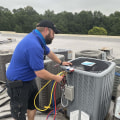
- Expertise and Experience: Professional AC installation companies employ trained technicians who possess extensive knowledge of HVAC systems. They understand the intricacies involved in installing various types of air conditioning units, ensuring that every component is set up correctly. This expertise minimizes the risk of errors that could lead to costly repairs down the line.
- Efficiency: A professional team can complete the installation process much faster than a DIY approach. They have the right tools and equipment, allowing them to work efficiently and effectively.
This not only saves you time but also ensures that your home is cooled promptly, especially during hot summer months.
- Safety Considerations: Installing an AC unit involves handling electrical components and refrigerants, which can be hazardous if not managed properly. Professionals are trained to adhere to safety protocols, reducing the risk of accidents or injuries during installation.
- Warranty Protection: Many manufacturers require that air conditioning units be installed by certified professionals to maintain warranty coverage. If you attempt a DIY installation and something goes wrong, you may void your warranty, leaving you responsible for any repairs or replacements.
- Long-Term Savings: While hiring a professional may seem like an added expense upfront, it can save you money in the long run. Proper installation ensures that your system operates efficiently, reducing energy costs and minimizing the likelihood of breakdowns that require expensive repairs.
Common mistakes include improper sizing of the unit, incorrect placement of ducts, and failure to seal connections adequately. These errors can result in inefficient cooling, increased energy bills, and even damage to your new system.Ultimately, hiring a professional AC installation company not only guarantees a job well done but also provides peace of mind knowing that your investment is protected. With their expertise, efficiency, and adherence to safety standards, professionals ensure that your air conditioning system operates at its best for years to come.
Choosing the Right AC Installation Company
When it comes to AC installation, selecting the right company is crucial for ensuring a smooth and efficient process. With numerous options available, homeowners may find it challenging to determine which AC installation company best suits their needs.Here are some essential factors to consider when making your choice:
- Reputation: Start by researching the reputation of potential companies. Look for online reviews and ratings on platforms like Google, Yelp, or Angie's List. A company with a strong positive reputation is more likely to provide quality service.
- Experience: Consider how long the company has been in business. An established company often has a wealth of experience and knowledge in handling various AC systems and installation scenarios.
- Licensing and Insurance: Ensure that the company is properly licensed and insured.
This protects you from liability in case of accidents during the installation process and ensures that the technicians are qualified to perform the work.
- Certifications: Look for companies that have certifications from recognized organizations, such as the Air Conditioning Contractors of America (ACCA) or North American Technician Excellence (NATE). These certifications indicate a commitment to industry standards and ongoing education.
- Customer Service: Evaluate the level of customer service provided by the company. Are they responsive to inquiries? Do they offer free estimates? A company that prioritizes customer satisfaction is likely to provide a better overall experience.
- Warranty and Guarantees: Inquire about warranties on both the equipment and installation services. A reputable company should stand behind their work and offer guarantees that protect your investment.
- Cost Estimates: Obtain detailed estimates from multiple companies.
Be wary of prices that seem too good to be true; they may indicate subpar service or hidden costs. Compare what is included in each estimate to ensure you are making an informed decision.
The Standard AC Installation Process
Understanding the AC installation process is crucial for homeowners looking to enhance their indoor comfort. The installation of a new air conditioning system typically involves several key steps, each designed to ensure that the unit operates efficiently and effectively.Below, we outline the standard phases of AC installation, providing insights into what you can expect during this important home improvement project.
- Initial Assessment : Before any installation begins, a qualified technician from your chosen AC installation company will conduct a thorough assessment of your home. This includes evaluating the size of your living space, existing ductwork (if applicable), insulation levels, and any specific cooling needs you may have. This step is vital for determining the appropriate size and type of AC unit for your home.
- Choosing the Right System : Based on the initial assessment, the technician will recommend suitable air conditioning systems. Options may include central air conditioning units, ductless mini-splits, or window units.
Each option has its own benefits and considerations, which the technician will explain to help you make an informed decision.
- Preparation for Installation : Once you’ve selected your AC unit, preparations begin. This may involve clearing the installation area, ensuring that electrical systems are up to code, and making any necessary modifications to existing ductwork or electrical panels. If you’re opting for a central system, additional work may be required to install ductwork.
- Installation of the Unit : The actual installation process involves placing the AC unit in its designated location, connecting it to electrical systems, and ensuring proper drainage for condensate. For central systems, this includes installing ductwork and vents throughout your home.
Technicians will take care to follow manufacturer guidelines and local building codes during this phase.
- System Testing : After installation is complete, the technician will conduct a series of tests to ensure that the system operates correctly. This includes checking refrigerant levels, testing electrical connections, and verifying that airflow is optimal throughout your home. Any issues identified during testing will be addressed before finalizing the installation.
- Final Walkthrough and Maintenance Tips : Once everything is functioning properly, the technician will provide a final walkthrough of the system with you. They will explain how to operate your new AC unit efficiently and offer maintenance tips to prolong its lifespan.
This is also an excellent time to ask any questions you may have about your new system.
Sizing Your Air Conditioning Unit Correctly
When it comes to air conditioning installation, one of the most critical steps is ensuring that your unit is sized correctly. An improperly sized air conditioning unit can lead to a host of problems, including inefficient cooling, increased energy bills, and premature wear and tear on the system. Therefore, understanding how to size an AC unit is essential for achieving optimal performance and comfort in your home.Several factors influence the sizing of an air conditioning unit:- Square Footage: The total area of your living space is the primary factor in determining the size of your AC unit.
Larger spaces require more cooling capacity.
- Insulation Quality: Well-insulated homes retain cool air more effectively, which may allow for a smaller unit. Conversely, poorly insulated homes may need a larger system to compensate for heat loss.
- Number of Windows and Doors: The more windows and doors you have, the more heat can enter your home. This factor must be considered when sizing your AC unit.
- Occupancy: The number of people living in your home also affects cooling needs. More occupants generate additional heat, necessitating a larger unit.
- Climate: Your local climate plays a significant role in determining the appropriate size.
Hotter climates may require more powerful units to maintain comfortable indoor temperatures.
- Measure Square Footage: Calculate the total square footage of each room in your home.
- Assess Insulation: Evaluate the insulation levels in walls, attics, and floors.
- Count Windows and Doors: Note the number and type of windows and doors, as well as their orientation (north, south, east, west).
- Consider Heat Sources: Identify any additional heat sources such as appliances or electronics that may affect cooling needs.
- Calculate Cooling Load: Use the gathered data to calculate the total cooling load using Manual J guidelines.
Common Mistakes During AC Installation
When it comes to AC installation , even minor oversights can lead to significant issues down the line. Understanding the common mistakes made during the installation process can help homeowners avoid costly repairs and ensure their systems operate efficiently.Here are some frequent errors and tips on how to sidestep them:
- Improper Sizing of the Unit: One of the most critical mistakes is selecting an air conditioning unit that is either too large or too small for the space. An oversized unit will cycle on and off frequently, leading to increased wear and tear, while an undersized unit will struggle to cool the area effectively. To avoid this, always consult with a professional AC installation company that can perform a detailed load calculation.
- Neglecting Ductwork Inspection: Before installing a new AC system, it’s essential to inspect existing ductwork for leaks or blockages. Failing to do so can result in inefficient cooling and increased energy costs.
Ensure that your technician checks for any necessary repairs or upgrades to the duct system.
- Incorrect Refrigerant Levels: Using the wrong amount of refrigerant can severely impact your system's performance. Too little refrigerant can lead to inadequate cooling, while too much can cause compressor damage. Always have a qualified technician handle refrigerant levels during installation.
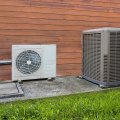
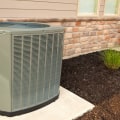
- Poor Placement of the Outdoor Unit: The location of the outdoor condenser unit is crucial for optimal performance. It should be placed in a shaded area with good airflow, away from obstructions.
Improper placement can lead to overheating and reduced efficiency.
- Ignoring Electrical Requirements: An AC unit requires adequate electrical supply for safe operation. Failing to assess your home’s electrical capacity can lead to tripped breakers or even fire hazards. Always consult an electrician before installation to ensure your electrical panel can handle the new system.
They will ensure that every aspect of the installation is handled correctly, from sizing and placement to electrical connections and refrigerant handling.In conclusion, being aware of these common mistakes during AC installation can save you time, money, and frustration in the long run. By prioritizing professional oversight and thorough preparation, you can enjoy a comfortable home environment without the headaches associated with improper installation.
Post-Installation Considerations and Maintenance
Once your new air conditioning system is installed, the journey doesn’t end there. Proper AC maintenance after installation is crucial for ensuring the longevity and efficiency of your unit. Here are some essential post-installation considerations and maintenance tips to keep your system running smoothly.Regular Filter Checks
One of the simplest yet most effective ways to maintain your AC system is by regularly checking and replacing the air filters.Clogged filters can restrict airflow, making your system work harder and less efficiently. Aim to check your filters every month, especially during peak usage seasons, and replace them at least every three months.
Inspect Ductwork
After installation, it’s important to inspect the ductwork for any leaks or blockages. Leaky ducts can lead to significant energy loss and reduced cooling efficiency. If you notice any issues, consider hiring a professional to seal the ducts properly.Schedule Professional Maintenance
While there are many maintenance tasks you can handle yourself, scheduling regular professional maintenance is essential.A qualified technician can perform a thorough inspection of your system, clean critical components, and identify potential issues before they become major problems. Aim for at least one professional check-up per year.
Monitor System Performance
Keep an eye on how your AC system performs over time. If you notice any unusual noises, inconsistent cooling, or increased energy bills, these could be signs that something is wrong. Addressing these issues promptly can prevent costly repairs down the line.Maintain Outdoor Unit
The outdoor unit of your AC system also requires attention.Ensure that it is free from debris such as leaves, dirt, and grass clippings. Regularly clean the area around the unit to promote proper airflow and efficiency.
Check Thermostat Settings
Your thermostat plays a vital role in regulating your home’s temperature. After installation, ensure that it is set correctly and functioning properly. Consider upgrading to a programmable thermostat for enhanced control over your cooling schedule.By following these post-installation tips and committing to regular maintenance, you can ensure that your new air conditioning system operates efficiently for years to come.This proactive approach not only enhances comfort but also helps in reducing energy costs and prolonging the lifespan of your unit.
Frequently Asked Questions About AC Installation
When it comes to AC installation, homeowners often have a myriad of questions. Understanding the installation process can help alleviate concerns and ensure a smooth experience. Below are some frequently asked questions regarding AC installation.What should I consider before installing an AC unit?
Before proceeding with an AC installation, consider the following factors:- Size of the unit: Ensure that the AC unit is appropriately sized for your space. An oversized or undersized unit can lead to inefficiency and discomfort.
- Type of system: Decide whether you want a central air conditioning system, a ductless mini-split, or window units based on your home’s layout and existing infrastructure.
- Energy efficiency: Look for units with high SEER (Seasonal Energy Efficiency Ratio) ratings to save on energy bills.
- Installation costs: Get quotes from multiple AC installation companies to compare prices and services offered.
How long does the installation process take?
The duration of the installation process can vary based on several factors, including:- The type of AC system being installed.
- The complexity of the installation, such as ductwork modifications.
- The experience level of the technicians.
What are common issues during AC installation?
Some common issues that may arise during the installation process include:- Poor placement: Incorrect positioning of the unit can lead to inefficient cooling and increased energy costs.
- Improper sealing: Gaps in ductwork or around the unit can cause air leaks, reducing efficiency.
- Electrical problems: Inadequate electrical supply can hinder the performance of your new AC system.
How can I maintain my new AC system?
To ensure longevity and efficiency, regular maintenance is crucial.Here are some tips:
- Change filters regularly: Dirty filters can restrict airflow and reduce efficiency.
- Scheduling annual check-ups: Professional maintenance can identify potential issues before they become major problems.
- Cleansing outdoor units: Keep the area around your outdoor unit clear of debris to ensure proper airflow.
Conclusion: Making Informed Decisions for Your Comfort
In conclusion, the process of AC installation is a critical investment in your home’s comfort and energy efficiency. Throughout this guide, we have explored the various aspects of standard AC installation, emphasizing the importance of professional assistance from a qualified AC installation company. Making informed decisions is essential to ensure that your air conditioning system operates effectively and efficiently.One of the key takeaways is the significance of proper sizing for your new air conditioning unit. An incorrectly sized system can lead to inadequate cooling, increased energy costs, and unnecessary wear and tear on the equipment.By consulting with professionals who can perform a detailed load calculation, you can ensure that your system meets your home’s specific needs.Moreover, understanding the installation process itself is vital. From selecting the right location for the unit to ensuring that all electrical and ductwork connections are made correctly, each step plays a crucial role in the overall performance of your AC system. Hiring experienced technicians not only guarantees that these steps are executed properly but also helps avoid potential issues that could arise from improper installation.Additionally, regular maintenance is an integral part of keeping your air conditioning system running smoothly. After installation, scheduling routine check-ups with your AC installation company can help identify any problems early on and prolong the lifespan of your unit.Ultimately, investing in a professional AC installation service is not just about getting a new unit; it’s about ensuring long-term comfort and efficiency in your home.
By making informed choices and relying on expert guidance, you can enjoy a cool and comfortable living environment for years to come.